







Smog returns but solutions elusive: Delhi turns again to cloud seeding before Diwali
As AQI remains in the 'very poor' zone before Diwali, Delhi considers cloud seeding amid GRAP Stage II measures, but pollution sources remain untouched

With Diwali just around the corner, concerns have deepened over worsening air quality in the national capital. Widespread firecracker celebrations during the festival are often followed by a spike in pollution levels in Delhi, which is already grappling with hazardous air pollution.
The overall AQI levels in Delhi have touched 367, which is in "very poor" category. Pollution levels have been alarming in some parts of the capital, with Jahangirpuri recording an AQI of 459, while monitoring stations at IIT Delhi and Punjabi Bagh reported readings of 445.
PM2.5 remains the primary pollutant, contributing to the deteriorating air quality. A thick blanket of smog has also affected visibility across the city, with reduced sunlight and a hazy cover.
Also read: 57 pc Delhi-NCR residents feel non-BS VI vehicle entry restrictions poorly enforced: Study
The Delhi government has reportedly decided to induce artificial rain through cloud seeding if pollution levels worsen after the festival of lights, says a report in NDTV. However, no final decision or schedule has been officially announced.
The Delhi government has reportedly conducted two cloud-seeding trials in the past 15 days. This year, it was done at an altitude of 30,000 feet, compared to last year's 10,000 feet.
Cloud seeding and the problem it fails to address
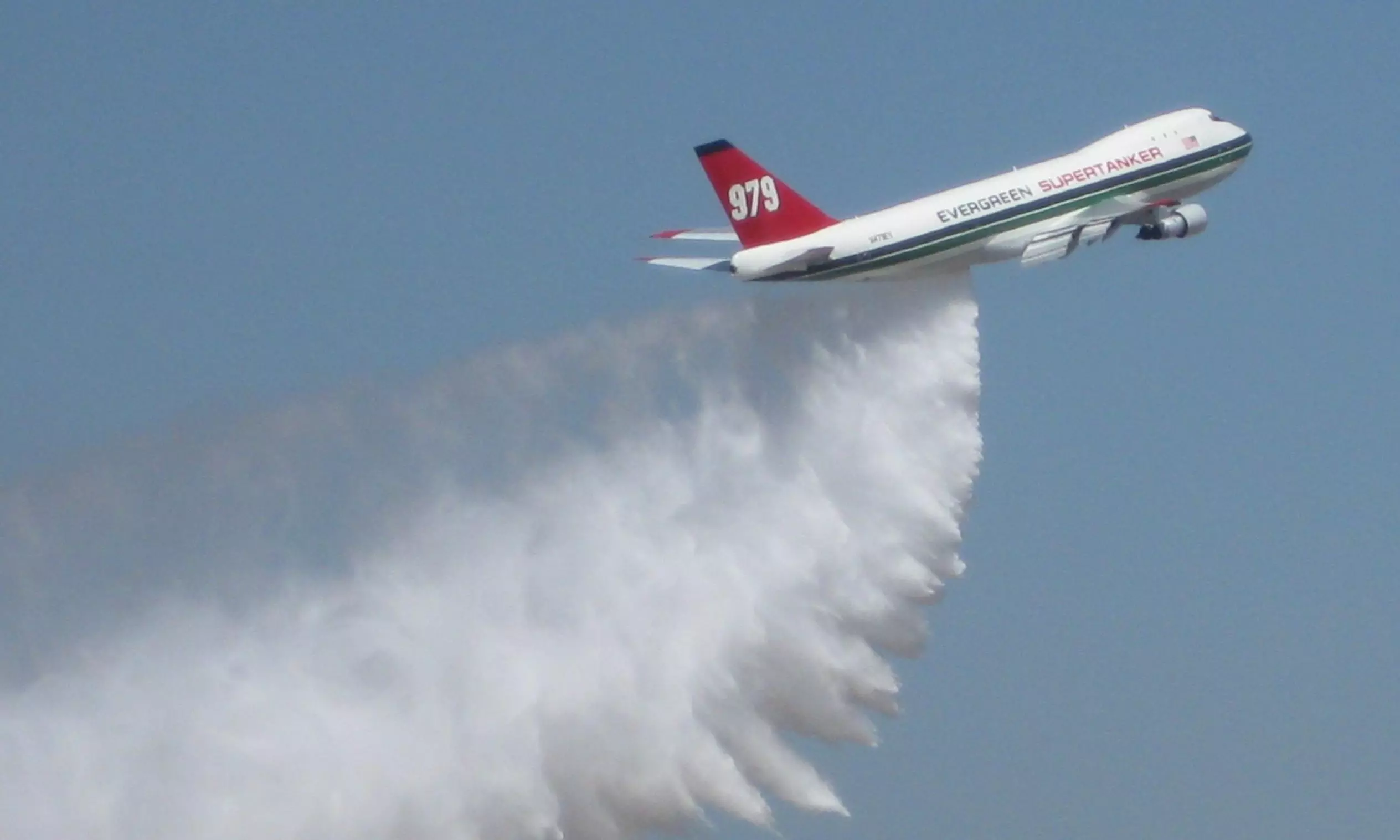
Cloud seeding is a weather modification technique through which aeroplanes, drones, etc., are sent into moisture-rich clouds. These aircraft spray tiny, microscopic particles such as silver iodide, dry ice or simple salt directly into the clouds.
These tiny particles act like "seeds" and attract water vapour in the clouds, eventually helping water droplets grow heavier.
China has extensively used cloud seeding and other weather-modification techniques for drought management and rain control. During the 2008 Beijing Olympics, authorities used rain-dispersal operations to prevent rainfall from disrupting the opening ceremony.
In India, cloud seeding is seen as a viable option to tackle air pollution. While artificial rain induced through cloud seeding may provide relief, it does not address the source of the problem.
Also read: Why Delhi’s discourse on air pollution seems to have moved from action to adaptation
Additionally, the Ministry of Environment, Forest and Climate Change (MoEFCC) has noted that favourable climatic conditions are required for successful cloud seeding. Last year, two cloud seeding trials failed to induce rain due to insufficient moisture content in the clouds.
Other measures to curb air pollution in Delhi
Citing a lack of data to decide on a complete ban on fireworks, the Supreme Court has given the nod for bursting green firecrackers in Delhi-NCR on November 7 and 8. The permitted time slots for bursting firecrackers are 6 am to 7 am and 8 pm to 10 pm on both days. The ban, however, will be reinstated on November 9.
Also read: SC flags sale of firecrackers in Delhi despite restrictions, asks Centre to act
Meanwhile, in response to the deteriorating air quality, the Commission for Air Quality Management (CAQM) has brought Stage II of the Graded Response Action Plan (GRAP) into force across Delhi-NCR. The measures include tighter restrictions on construction and demolition work that generates dust, curbs on the use of diesel generator sets, and more frequent mechanised road cleaning and water sprinkling.
Authorities have also doubled parking charges to discourage private vehicle usage, restricted the entry of non-BS-VI vehicles registered outside Delhi, and increased public transport services to encourage commuters to opt for buses and other shared transport.