



TMC knocks SC door over SIR again, questions BJP over EC officials’ appointments
TMC leaders allege that in several constituencies, the BJP’s margin of victory was lower than the number of voters removed from the rolls during the SIR process

The Supreme Court on Monday (May 11) allowed the Trinamool Congress (TMC) to file a fresh application over its allegation that deletions carried out during the Special Intensive Revision (SIR) of electoral rolls materially affected the outcome of several Assembly constituencies in West Bengal, even as the TMC and Congress intensified their attack on the BJP government over the appointment of two senior officials linked to the exercise to top posts in the state administration.
Also read: SIR didn't cost Mamata Bengal, women's anger did, says Yashwant Deshmukh | AI With Sanket
Hearing a batch of petitions related to the SIR exercise, a bench comprising Chief Justice Surya Kant and Justice Joymalya Bagchi said the TMC could move an independent interlocutory application (IA) with details of constituencies where poll results may have been impacted by SIR exercise.
TMC’s allegation
Senior advocate Kalyan Bandyopadhyay, appearing for TMC leaders, argued that in 31 constituencies, the BJP’s margin of victory was lower than the number of voters removed from the rolls during the SIR adjudication process. In one constituency, he said, a candidate lost by 862 votes while more than 5,400 voters were removed from the electoral rolls for adjudication.
Also read: EC set to roll out Phase 3 of SIR covering 40 crore electors across 22 states, UTs
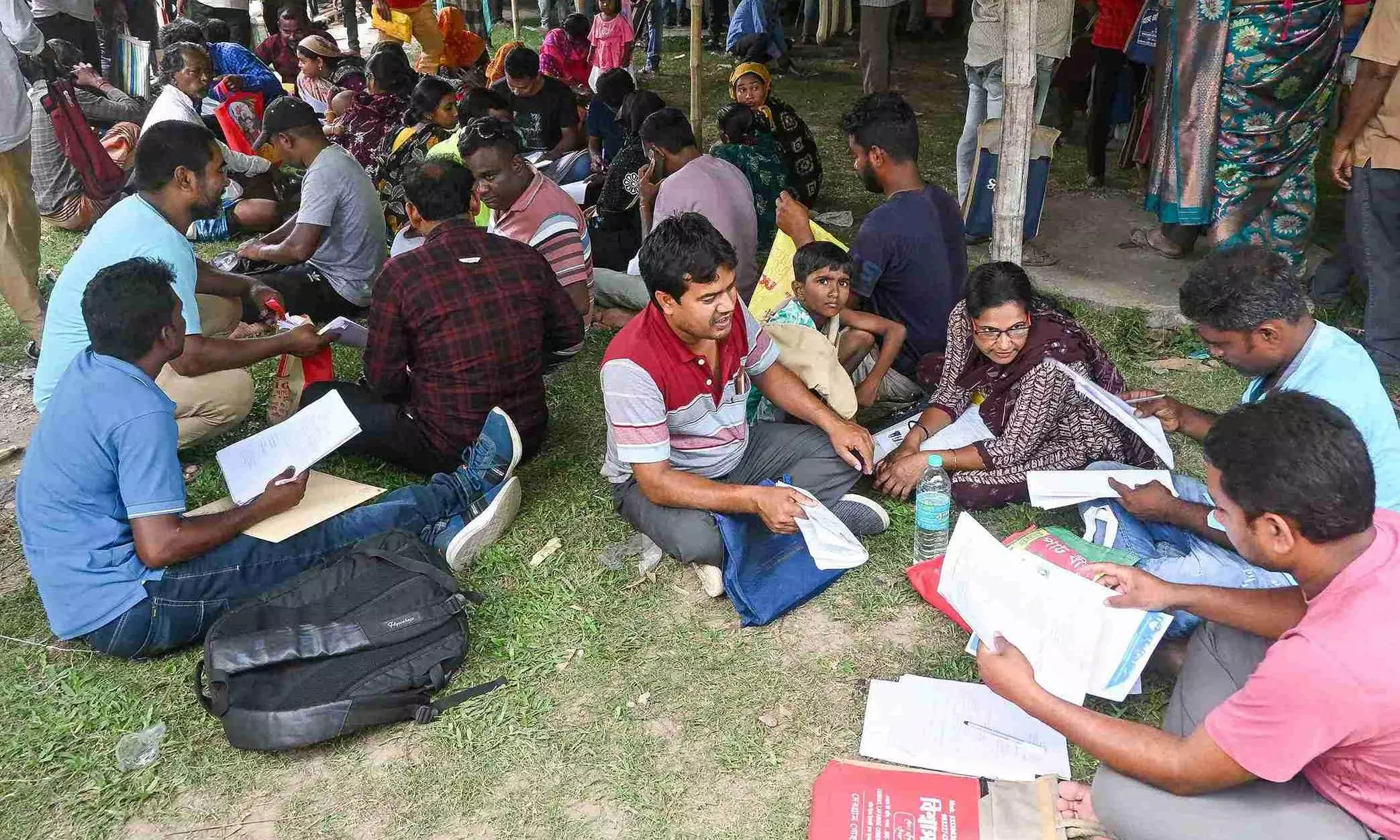
The TMC also claimed that nearly 35 lakh appeals related to voter deletions were pending before appellate tribunals. Justice Bagchi observed that if winning margins were lower than the number of deleted voters, the matter may warrant judicial scrutiny, but asked the party to place the details on record through a separate application.
The bench said it would examine the issue after such an application is filed, while also seeking a report on the pendency of appeals and the timeline for their disposal.
SIR officials in the Cabinet
The development came amid a political storm in West Bengal over the BJP government appointing former Chief Electoral Officer Manoj Agarwal as the new chief secretary and former Election Commission special roll observer Subrata Gupta as advisor to Chief Minister Suvendu Adhikari.
Also read: SIR-related deletions affected poll results in 31 Bengal constituencies: TMC to SC
The Congress and TMC alleged that the appointments vindicated their long-standing charge that the Election Commission acted in favour of the BJP during the Assembly elections.
EC, BJP under fire
Congress general secretary Jairam Ramesh described the appointments as evidence of “brazen collusion and connivance” between the Election Commission and the BJP. He alleged that nearly 27 lakh people were disenfranchised during the SIR process to create an electoral advantage for the saffron party.
Also read: Last-minute additions in Bengal rolls proof of faulty SIR exercise? AI With Sanket
Agarwal, a 1990-batch IAS officer, had overseen the EC-mandated SIR exercise in Bengal ahead of the Assembly polls, during which around 91 lakh names were removed from the electoral rolls. His appointment as chief secretary came within days of Gupta, who served as the EC’s special roll observer during the exercise, being appointed adviser to the chief minister.
TMC criticises the appointment
The appointments triggered sharp reactions from TMC leaders. Former Rajya Sabha MP Saket Gokhale alleged that the BJP and the Election Commission were now being “open about stealing the election”, while MP Derek O’Brien reacted sarcastically on social media, saying, “Purely a coincidence, surely!”
TMC MP Sagarika Ghose said the appointments undermined the credibility of the electoral process and raised fresh questions over whether the Bengal elections were “free and fair”.