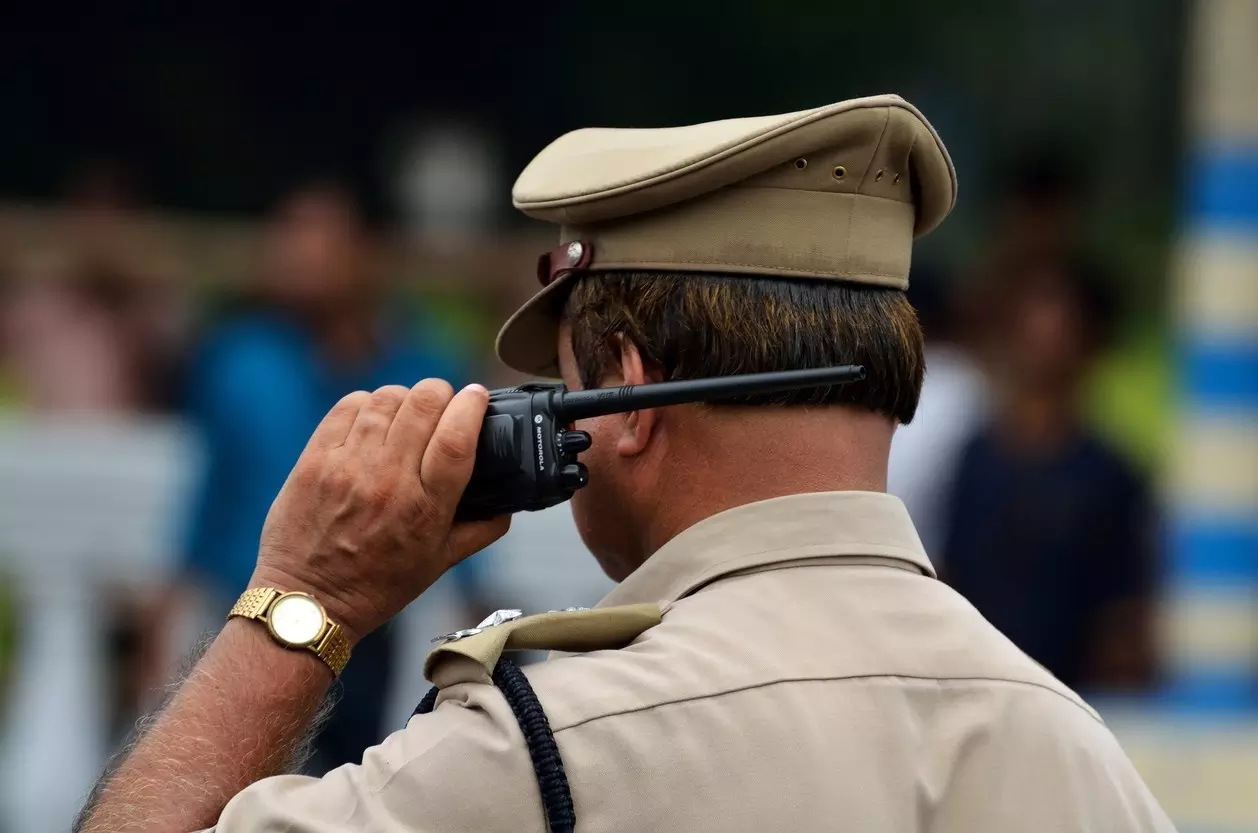
The absence of a full-time DGP in times of the upcoming Assembly elections could create technical, operational and even political problems in West Bengal, experts feel. Representative Photo: iStock
UPSC stalls Bengal DGP selection, state set to continue with acting police chief
Procedural lapses cited by the commission ahead of incumbent Rajeev Kumar's retirement on January 31, raising concerns over SC guidelines before 2026 elections

West Bengal’s failure to secure approval for appointing a new director general of police (DGP) has prolonged its reliance on an acting police chief, raising questions about adherence to the Supreme Court's police reform guidelines and Centre-state coordination in policing in the poll-bound state.
The Union Public Service Commission (UPSC) has declined to act on the state government’s proposal to prepare a panel for selecting the next police chief, citing procedural lapses and delays that it says violate Supreme Court directives, according to state home department sources.
Also read: TMC-EC standoff set to intensify over barring BLAs in Bengal SIR hearings
The commission conveyed its view in a two-page letter addressed to then Bengal home secretary Nandini Chakraborty on December 31, sources revealed on Tuesday (January 6). Chakraborty has since been elevated as the chief secretary.
Serving DGP Rajeev Kumar to quit on Jan 31
With incumbent Rajeev Kumar set to retire on January 31, the state is now likely to appoint another acting DGP, at least in the interim.
While policing functions are expected to continue, senior officers and legal experts say the absence of a full-time DGP with a fixed tenure could weaken institutional authority at a critical juncture.
Also read: Mamata Banerjee has right to question SIR, says West Bengal Governor CV Ananda Bose
The apex court has repeatedly held that there is no concept of an “acting DGP” under its landmark 2006 Prakash Singh judgment, which sought to protect police leadership from political interference by mandating a transparent, time-bound selection process and a minimum two-year tenure.
Impasse ahead of 2026 elections
The timing of the deadlock is significant. Bengal is expected to head into Assembly elections in early 2026, a period that typically places the police force under intense political and operational pressure. Past elections in the state have seen large-scale deployment of central forces, frequent court monitoring, and heightened scrutiny of police neutrality.
Election planning could be hit
A prolonged interim arrangement at the top of the police hierarchy could complicate election planning, officials said, as key decisions related to postings, internal discipline and coordination with the Election Commission (EC) are usually driven by a DGP with assured tenure and clear legal authority.
Election-related policing has also been a recurring flashpoint in the state. Allegations of partisan policing have featured prominently in previous polls, leading the EC to order the transfer of senior police officers and, in some cases, intervene directly in law-and-order management.
Also read: Bengal SIR: Poll officer standing in line for voter verification sparks row
“The presence of an acting DGP could make the state more vulnerable to such interventions,” said state-based human rights activist-cum-lawyer Kiriti Roy.
The Supreme Court has, in recent months, stepped up scrutiny of states that appoint acting or temporary DGPs.
Notices have been issued to several states, including Bengal, following allegations that interim police chiefs were being continued for extended periods despite the availability of eligible officers, official sources further pointed out, referring to an apex court’s notice served to the state last October.
The court has warned that such practices undermine the objectives of the Prakash Singh judgment. Following these developments, the home affairs ministry had also written to the state, urging compliance with SC directions on the appointment of regular DGPs.
More state-Centre clash?
Against this backdrop, the UPSC’s refusal to process Bengal’s delayed proposal is likely to add to tensions between the state government and central authorities ahead of the elections, and could also become an election issue.
Also read: Bengal SIR: Cricketer Mohammed Shami asked to appear for hearing
The ruling Trinamool Congress has previously accused central agencies of overreach, while the Opposition has repeatedly raised questions over policing and law and order in the state.
Any move to continue with an acting DGP for an extended period could also provide fresh grounds for legal challenges, particularly during the election cycle, potentially drawing further court scrutiny of the state police.
According to officials, the state government’s options are limited to either appointing an acting DGP or approaching the Supreme Court for directions or relaxation. They said that Anuj Sharma (IPS 1991 batch), Siddhinath Gupta (1992 batch), and Piyush Goel (1993 batch) are in the race for the interim position.
Either path will keep the issue in the political and legal spotlight, with elections just four months away.