



AI helps scientists with key clue to detect sudden cardiac death risk
UC Berkeley researchers used 440,000 ECGs and death reports in an AI model to get predictions better than existing models

Sudden cardiac arrest, which occurs when the heart’s electrical current malfunctions, remains one of the leading causes of death worldwide and has a low survival rate. An unpredictable occurrence that can strike both high-risk older adults and even young athletes with no history of heart illness, the only means to combat a cardiac arrest is either through timely CPR or use of defibrillation.
Scientists find new clue
But Scientists at the University of California, Berkeley have gained a novel insight into the workings of the heart that can detect the possibility of a cardiac death before it can happen.
Researchers have stumbled upon a previously unrecognised signal in electrocardiograms (ECG) which can detect high-risk patients.
Also read: Heart attack and cardiac arrest aren’t the same. Here’s why
Before landing the same, scientists used over 440,000 EKGs (ECGs) from Sweden along with information from death certificates to train an AI model to analyse spikes and waveforms produced by the heart’s electrical currents.
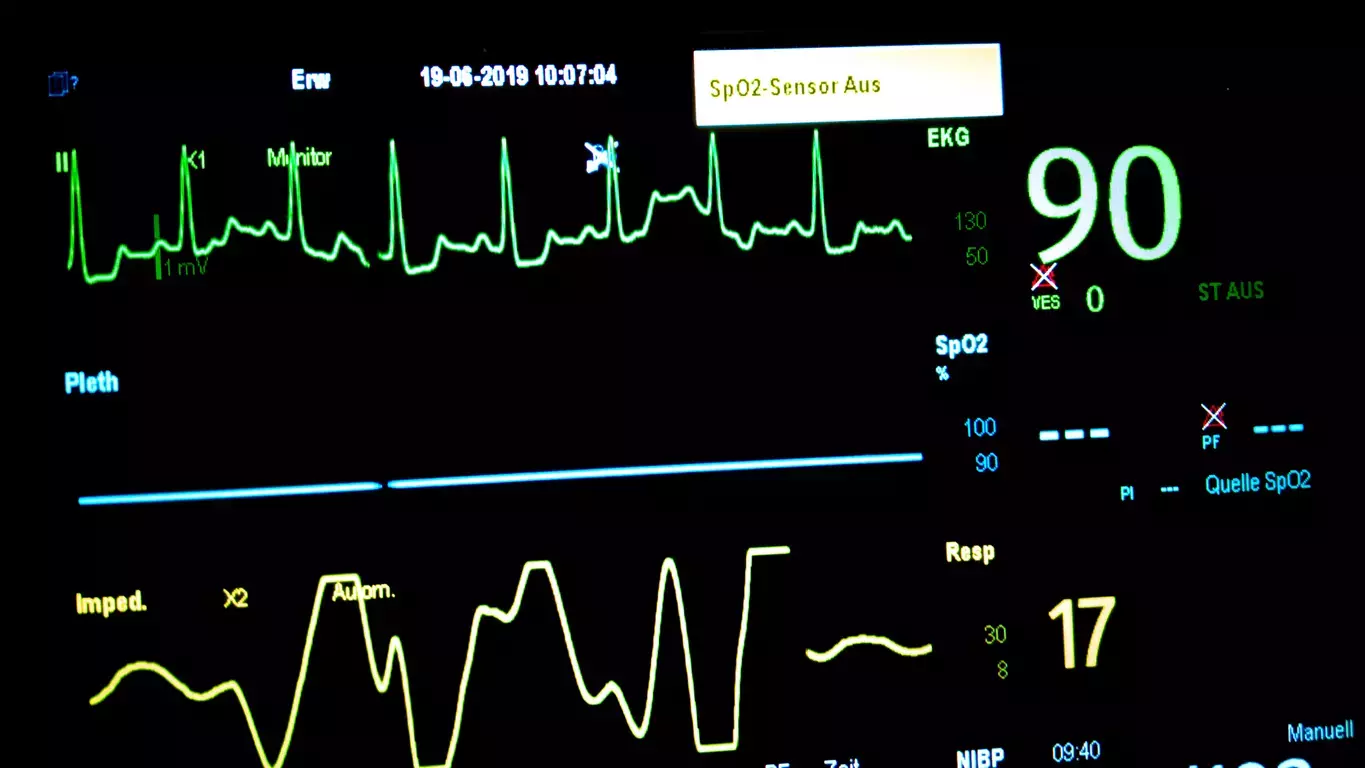
An ECG records the heart’s electrical signal and converts it into a wave pattern on the screen or paper. The same is used to check heart rate, rhythm, and detect any illnesses.
What AI model discovered
The UC Berkeley researchers used scans from healthy people, patients who are at risk of heart disease, and those who later suffered death due to cardiac arrest in the AI model until it recognised waveform patterns for people among them who suffered sudden cardiac death.
Files of patients from the US and Taiwan spanning multiple years were also fed to the AI model.
After analysing the files, the AI model not only predicted patients who were at risk but also identified a pattern or a clue that was previously unknown to doctors, in ECG readings that could indicate a person’s susceptibility to sudden cardiac death.
Also read: Why do most heart attacks occur early morning? Cardiologist explains
While standard clinical tests identify a high-risk group with a 4.6 percent annual rate of sudden cardiac death, the AI model pegged it at a 7 per cent annual rate, indicating that individuals labelled under low-risk categories may actually be in the high-risk zone.
‘Study will help make better decisions’
The study has been published in the prestigious Nature magazine.
“Medical decisions are really hard, and I think that’s why AI is so exciting for me,” US Berkeley News quoted Ziad Obermeyer, an associate professor at UC Berkeley’s School of Public Health and the study’s lead author, as saying.
“We can not only make better decisions, but also start to understand what’s actually going on with these patients before their heart stops,” he added.