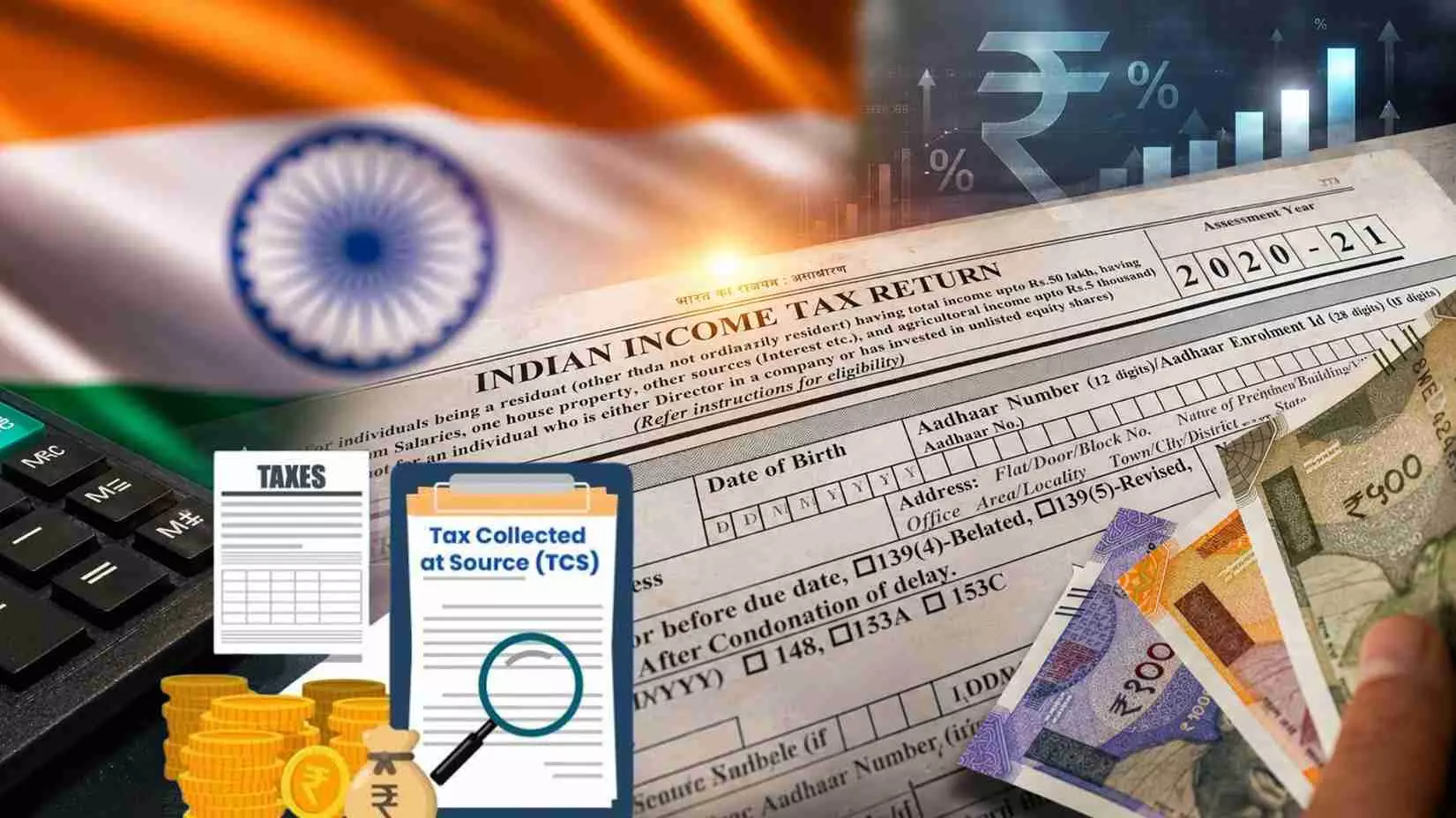
Taxpayers can check the TCS credited against their PAN through Form 26AS and the Annual Information Statement (AIS) on the income tax portal
Filing income-tax returns? Check for unclaimed TCS refund before July 31
Thousands who bought cars, booked foreign trips, or paid for a child's education abroad never claim their TCS refund. Here's how to reclaim it before July 31

As the July 31 deadline for filing Income Tax Returns (ITR) approaches, financial experts are urging taxpayers to check whether they have any unclaimed Tax Collected at Source (TCS) that can be adjusted against their tax liability or claimed as a refund.
TCS is an advance tax collected by a seller on specified high-value transactions, such as the purchase of luxury cars, overseas tour packages, and certain foreign remittances. The amount is deposited with the government against the buyer's PAN and can later be adjusted while filing the ITR.
Also read: Filed your I-T returns early but still waiting? Processing isn’t first-come, first-served
A recent Business Today report found that thousands of people who bought cars priced above Rs 10 lakh never claimed the TCS collected on their purchase, largely because they were unaware that the amount was refundable.
Where TCS applies
Under the post-Budget 2026 rules, a 1 per cent TCS is levied on the purchase of luxury items such as cars, watches, handbags and jewellery priced above Rs 10 lakh. Overseas tour packages and self-funded overseas education above the same threshold attract 2 per cent TCS, while loading forex cards or remitting money to relatives abroad under the Liberalised Remittance Scheme (LRS) attracts 20 per cent TCS once the annual remittance exceeds Rs 10 lakh.
The only exception is overseas education financed through a loan from a recognised financial institution, where TCS is not applicable.
How to claim the refund
Taxpayers can check the TCS credited against their PAN through Form 26AS and the Annual Information Statement (AIS) on the income tax portal. Banks or sellers are also required to issue Form 27D as proof of TCS collection.
Also read: Budget eases tax compliance, cuts TCS and extends ITR timelines
The amount can be claimed under the "Taxes Paid" section while filing the income tax return. If the total tax liability is lower than the TCS collected, the balance is refunded to the taxpayer. If the tax liability is higher, the TCS is adjusted against the amount payable.
Relief for salaried employees
Salaried employees can also adjust eligible TCS against the Tax Deducted at Source (TDS) deducted from their salaries by informing their employer.
Vinita Krishnan, Executive Director at Khaitan & Co, said employees should check with their employers about adjusting TCS against monthly TDS deductions. "Salaried employees can ask their employer whether the TCS can be adjusted against the withholding tax on their salary. This can reduce their monthly TDS outgo," she said.
Krishnan added that the same principle applies to employees receiving stock options from foreign multinational companies. "Employees who have paid TCS on employee stock options should also inform their employers so that the amount can be adjusted against TDS on salary, in addition to claiming any refund while filing their tax return," she said.
Foreign remittances
Under the Liberalised Remittance Scheme (LRS), remittances up to Rs 10 lakh in a financial year are exempt from TCS. Beyond that, the applicable rate depends on the purpose of the remittance, such as education, overseas travel or other transactions.
Also read: As financial year 2026-27 begins, here are major changes effective April 1
Krishnan cautioned that many taxpayers overlook the higher TCS applicable to money sent abroad for purposes other than travel.
"If you send money abroad, including to relatives, you should check whether your bank is collecting TCS. In such cases, the rate can be 20 per cent instead of the nominal 2 per cent. While the amount can later be claimed as a refund, taxpayers should keep this additional upfront cost in mind," she said.