A Tamil delegation from the island-nation recently met the TN CM to discuss devolution of powers but he should keep in mind the DMK's troubled involvement in the Lankan ethnic conflict
It was during the glory days of the Dravida Munnetra Kazhagam (DMK) when former Tamil Nadu chief minister M Karunanidhi gave a free run to the Liberation Tigers of Tamil Eelam (LTTE) in his state as it engaged in a gory and unending separatist war in not-so-far-away Sri Lanka.
The DMK stalwart also spoke haughtily to Sri Lankan Tamils opposed to the Tigers. The LTTE repaid Karunanidhi’s skewed vision by assassinating former Indian prime minister Rajiv Gandhi right in the heart of Tamil Nadu, casting a permanent black spot on the DMK.
Lankan Tamil politicians urge Stalin
Now, well over three decades later, a group of Sri Lankan Tamil politicians sympathetic to the vanquished LTTE has urged Karunanidhi’s son and present Tamil Nadu Chief Minister MK Stalin to lobby for a federal set-up in the island-nation and press India's Narendra Modi government to endorse the same.
Also read: Colombo permits LTTE remembrance as JVP–Tamil dialogue unfolds in London
Sections of Sri Lankan Tamil activists who for long fronted for the LTTE without caring for the sentiments of ordinary Tamils are akin to political leopards. They will never change their spots. That, of course, is no news. But it will be a tragedy if Stalin, who governs one of India’s better-run states, were to make the mistakes that his father committed vis-à-vis Sri Lanka with needless political adventurism.
Ponnambalam spoke the half-truth when he told the Indian media that the Sri Lankan establishment had failed the 13th amendment. What he omitted to say was that the most trenchant critic of the 1987 India-Sri Lanka Accord and all that flowed from it was the LTTE, which ended up losing everything it had after promising to unveil a separate state for the Tamils
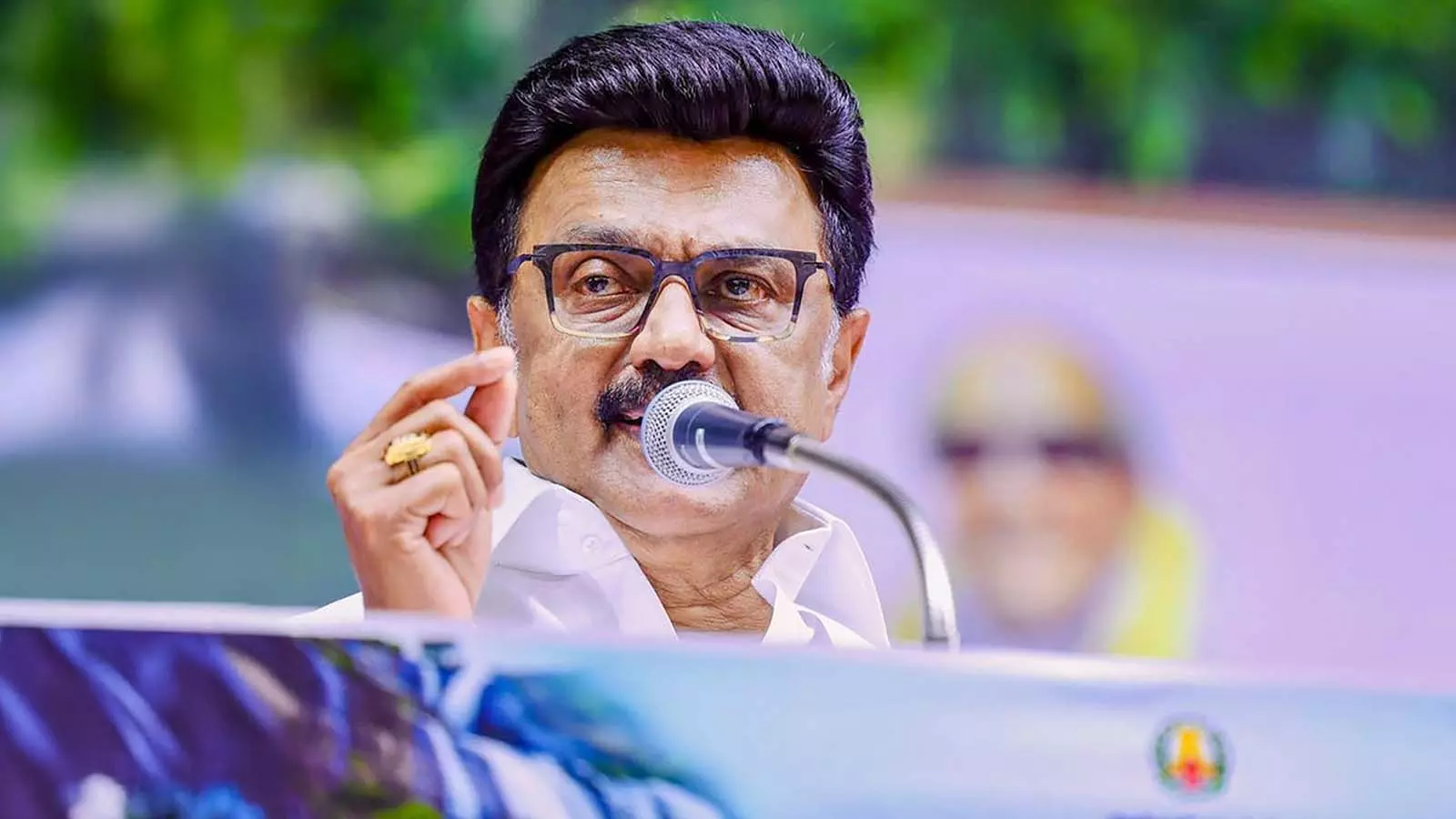
While Sri Lanka was battling the terrible consequences of a cyclone and floods, which killed hundreds and affected millions, Gajendrakumar Ponnambalam met Stalin in Chennai on December 18 to articulate the political future and rights of the Tamil minority in his country. His main concern was that India should insist on a federal structure in Sri Lanka in place of the existing unitary system.
'Meaningful devolution of powers'
Ponnambalam, an MP and the founder leader of the Tamil National People’s Front (TNPF) party, insisted that “meaningful devolution of powers” to the provinces, along the lines of the autonomy enjoyed by Indian states, will alone protect the rights of the Tamils in the northern and eastern provinces.
Just in case those listening to him missed what he wanted to convey, he underlined that Tamil nationhood, Tamil sovereignty and the Tamil right to self-determination must be recognised in any new constitution that Colombo brings in.
Also read: Sri Lankan Tamils formally acknowledge LTTE leader Prabhakaran's death
Anyone with a basic understanding of Sri Lankan realities will know that the final demand is like asking for the moon. An overwhelming majority of Sri Lankans, rightly or wrongly, view federalism as a stepping stone to separatism.
Ponnambalam is not so naïve that he does not realise this. If he still made the demand, it is only because Tamils sympathetic to the Tigers want the ethnic wounds in Sri Lanka to fester on and on without mutual give and take.
Ponnambalam and his political party are also doggedly opposed to the India-backed 13th Amendment to the Sri Lankan Constitution, which sought to ensure devolution of powers. On that note, he is not on the same page as most other Sri Lankan political parties which want that amendment implemented sincerely as a first step in the devolution process.
In fact, Ponnambalam’s stand mirrors those in Sri Lanka’s Sinhalese-dominated southern landscape who also oppose the 13th amendment as it arose from India’s diplomatic-military intervention. Significantly, both these streams on either side of the ethnic divide portray themselves as true nationalists.
Stalin should acquaint himself with the revelations that have become public knowledge since the LTTE’s annihilation in 2009, showing the insurgent group and its leadership in a poor light. LTTE cadres and commanders increasingly admit — some on record — that the Tigers should have changed course at some point.
Ponnambalam spoke half-truth when he told the Indian media that the Sri Lankan establishment had failed the 13th amendment. What he omitted to say was that the most trenchant critic of the 1987 India-Sri Lanka Accord and all that flowed from it was the LTTE, which ended up losing everything it had after promising to unveil a separate state for the Tamils, thanks to its nihilist armed campaign.
Just as the LTTE’s criticism was used by the Sri Lankan State to undermine the 1987 pact, Ponnambalam’s adamant insistence on self-determination and Tamil nationhood — idioms that LTTE ideologues used whenever it suited them — will be flashed by the ruling Janatha Vimukthi Peramuna and others in the Sinhalese areas to allege that Tamils will always remain wedded to separatism, with or without the Tigers.
Also read: Tamils battle minority status in eastern Sri Lanka
In the process, even simple demands the Tamil side puts forward will carry suspicion in southern Sri Lanka and with it, very little chance of getting them accepted.
Ponnambalam’s emotive stand will not have many takers in Sri Lanka’s Tamil-majority northern and multi-racial eastern provinces, where ordinary people, Tamils included, are more concerned about economic betterment and a peaceful life than what they endured all through the blood-soaked separatist war.
But his party will paint his meeting with Stalin as a successful attempt to “internationalise” the ethnic issue — and win applause from the pro-LTTE Tamil diaspora.
Stalin should stay away from Sri Lanka's Tamil politics
The Tamil Nadu chief minister may or may not know all this. Whatever his compulsions, Stalin could not have refused a request for a meeting with Tamil leaders from Sri Lanka. But if he has learnt anything from history, including the DMK’s troubled involvement in the ethnic conflict, Stalin should stay away from the island-nation’s fractured Tamil politics.
Also read: Language row: 'Udhayanidhi’s real concern is funding disparity, not Sanskrit'
As representatives of the world’s biggest Tamil-majority province, Tamil Nadu’s leaders could have played a positive role as Tamil separatism took root in Sri Lanka. Instead, most political parties in Tamil Nadu brazenly backed Tamil militancy; the DMK failed to persuade the LTTE into going for a negotiated settlement even when much of the international community was for it.
The end result was a collapse of the Tigers’ dream project and the slaughter of tens of thousands, a majority of them innocent civilians. Can Stalin suggest a federal set-up for Sri Lanka when Indian states are struggling to save whatever rights they have amid the Modi government’s slow march towards centralised control?
Stalin should acquaint himself with the revelations that have become public knowledge since the LTTE’s annihilation in 2009, showing the insurgent group and its leadership in a poor light. LTTE cadres and commanders increasingly admit — some on record — that the Tigers should have changed course at some point. LTTE cadres who surrendered in thousands at the end of the war wonder where all the money collected in the West in their name has gone.
Also read: Why Tamil Nadu, Kerala are crying foul over SIR 2.0 | Talking Sense With Srini
Prabhakaran may have gone down fighting, but the sad truth is that his heroics claimed the lives of tens of thousands who did not want to die. And when this terrible war neared its end, Tamil Nadu politicians played no worthwhile role. They should not poke their nose today in Sri Lankan affairs.
Reconciliation can't happen overnight
Stalin needs to understand that the wounds of the decades-old separatist war are so deep on both sides that any step towards reconciliation or devolution of powers cannot happen overnight.
If there is one issue in which Stalin can play a useful role, it is to ban all bottom trawlers that sail from Tamil Nadu and poach in Sri Lanka’s waters, creating tremendous hardship for Tamil fishermen on the island’s northern coast. There is widespread anger in the fishing community in the Tamil region against Indian bottom trawling, which has caused environmental degradation.
Mischievous Sri Lankan and Indian Tamil politicians try to portray this as a fight between Tamil Nadu fishermen and Colombo; in reality, it is a confrontation between the Tamil Nadu trawlers owned by politically influential persons and the Tamil fishermen of Sri Lanka.
(The Federal seeks to present views and opinions from all sides of the spectrum. The information, ideas or opinions in the articles are of the author and do not necessarily reflect the views of The Federal.)