



Yunus working to improve Bangladesh-India ties, says Finance Adviser
Yunus's government seeks to reset Bangladesh-India relations by approving rice imports, prioritising trade over political tensions

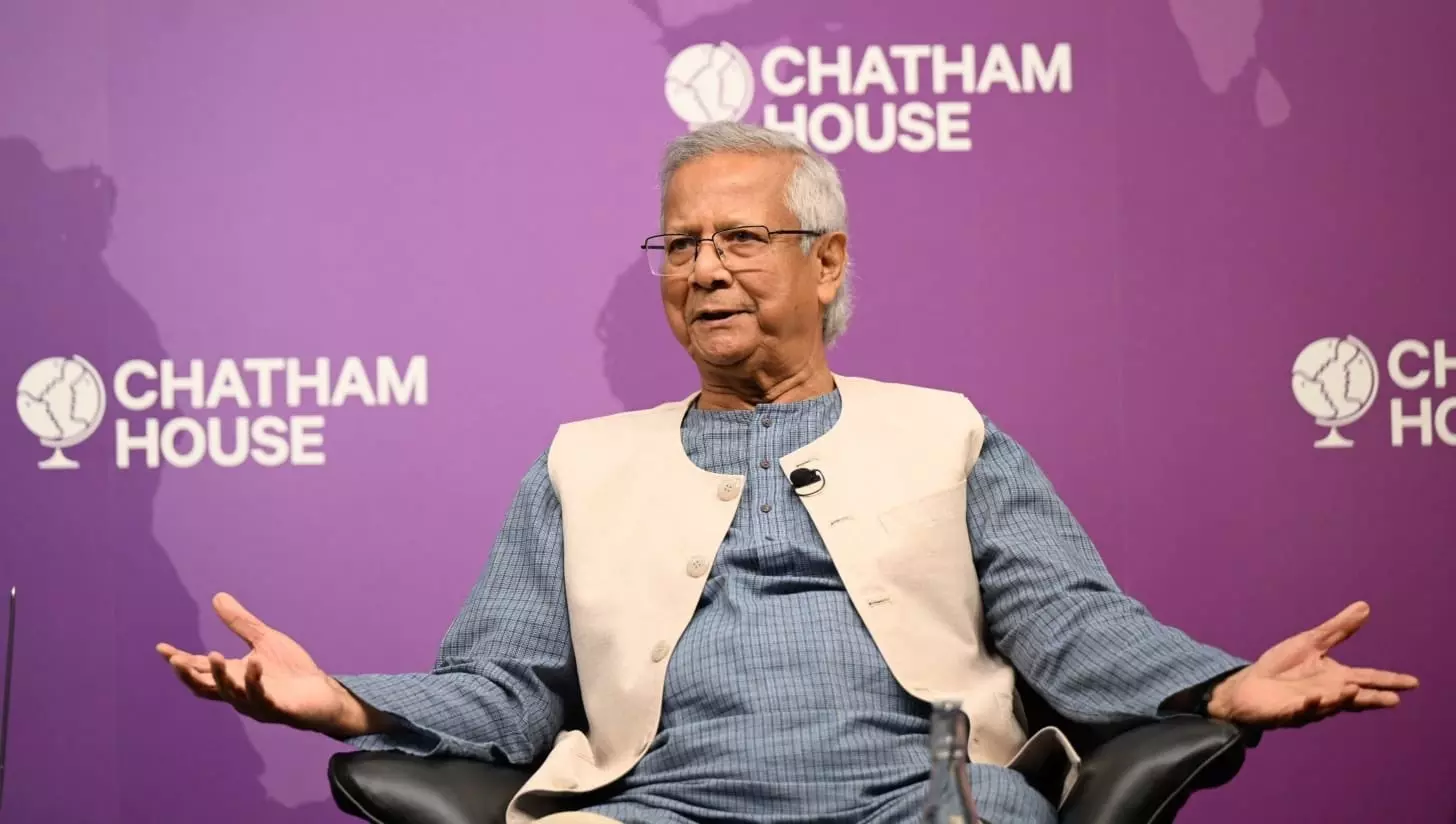
Muhammad Yunus, Chief Advisor to the interim government of Bangladesh, has taken steps to improve strained bilateral ties, including economic relations with India, the interim government’s Finance Advisor Salehuddin Ahmed has said.
Speaking to reporters on Tuesday (December 23) after a meeting of the Advisers Council Committee on Government Purchase, Ahmed said that the Yunus administration was working to develop economic relations with India by separating economic interests from "political rhetoric."
"The chief adviser is working to improve diplomatic relations with India, and he himself has also been speaking to various stakeholders on the issue," said Ahmed.
‘Yunus hasn’t directly spoke to India’
Asked whether Yunus directly spoke to India, Ahmed said the chief adviser "has not", but he did speak to those associated with the matter.
"Our trade policy is not driven by political considerations. If importing rice from India is cheaper than sourcing it from Vietnam or elsewhere, then it makes economic sense to buy the staple from India," he said.'
'Hopeful of improved ties with India'
Ahmed, an economist, was optimistic about bilateral relations not declining further.
Elaborating further, Ahmed said Bangladesh on Tuesday approved a proposal to purchase 50,000 tonnes of rice from India, "as a means to seek good relations."
Also Read: India-Bangladesh trade row hits Bengal jute mills, mill workers hard
He said importing this rice would benefit Bangladesh, as sourcing rice from Vietnam, a major alternative, instead of India, would cost BDT 10 (USD 0.082) more per kilogram.
Ahmed's comments came as diplomatic analysts said the Dhaka-New Delhi relation was now at its lowest ebb since Bangladesh's 1971 Independence from Pakistan, with repeated summoning of their envoys in both countries and protests in front of Bangladeshi and Indian missions in both capitals and elsewhere in the two countries.
‘Situation not so bad’
But the adviser said, "The situation has not reached such a bad stage." "From the outside, it may sound like many things are happening...However, there are some statements that are difficult to shut out," Ahmed said.
Also Read: Bangladesh suspends visa services for Indians due to 'unavoidable circumstances'
Asked if "people or external forces" were making anti-India statements, he said, "We do not want any bitterness between the two nations. If anyone from outside is trying to instigate problems that are not in the interest of either country."
But, he said, these incidents did not represent the "national expression" and were rather "creating complicated situations for Bangladesh."
(With agency inputs)