



What Skyroot’s Vikram-1 launch means for India’s private space ambitions
Vikram-1 became India's first privately developed orbital rocket to place payloads in Low Earth Orbit, marking a major milestone for India's commercial space ambitions

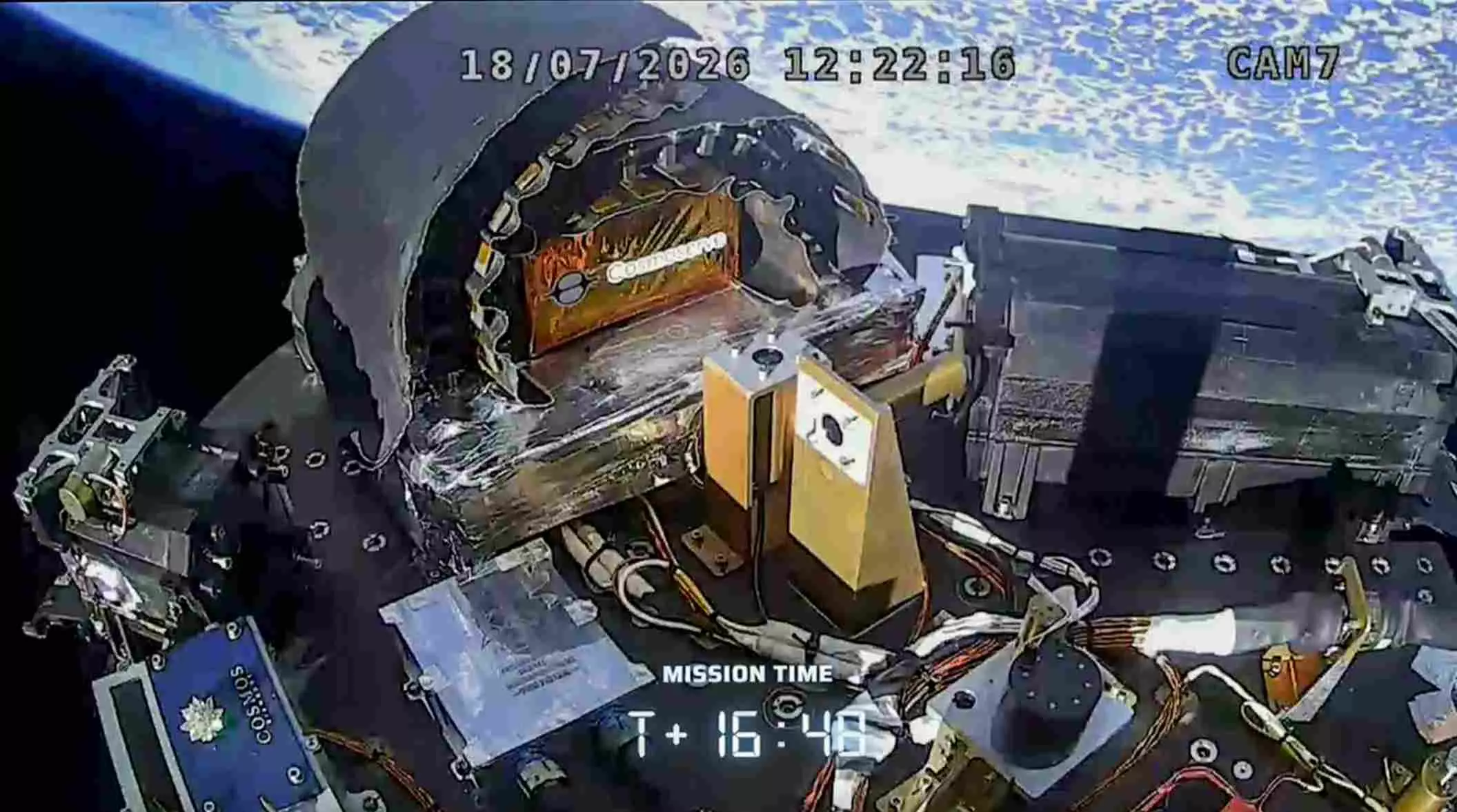
India’s private space sector has achieved a major milestone with Hyderabad-based startup Skyroot Aerospace successfully launching Vikram-1, its first orbital-class rocket.
Built using advanced technologies such as 3D-printed engines, carbon composite structures and indigenous propulsion systems, the mission marks a significant step for India’s commercial space ambitions and the country's rapidly growing private space ecosystem.
India’s private space leap
The mission successfully placed multiple technology demonstration payloads into a 450 km Low Earth Orbit, validating Skyroot's orbital launch capability and marking a crucial step towards future commercial satellite missions. The achievement comes six years after India opened its space sector to private players and underscores the rapid growth of the country’s space-tech ecosystem.
Also read | Centre changes ISRO resignation rules amid exodus of experienced scientists
Designed as a dedicated launch vehicle for small satellites, Vikram-1 signals a new phase for India’s private space sector. The rocket has been developed to offer faster, more flexible and cost-effective launch services, giving India an opportunity to compete more strongly in the rapidly expanding global small satellite market.
Unlike traditional launch vehicles, Vikram-1 has been built specifically for the needs of the small satellite industry. It combines solid and liquid propulsion systems with lightweight materials and advanced avionics to place satellites into Low Earth Orbit. Named after Dr Vikram Sarabhai, the father of India’s space programme, the rocket reflects the country’s efforts to build on its space legacy through private innovation.
Commercial space takes off
The mission follows Skyroot’s Vikram-S flight, which became India's first privately developed rocket to reach space in 2022. Vikram-1 marks the company's transition from a successful suborbital demonstration to orbital launch capability, paving the way for future commercial missions.
Beyond the launch itself, Vikram-1 reflects the evolution of India's private space ecosystem. For decades, the country's space programme was driven almost entirely by government agencies. Today, private companies are increasingly contributing to rocket development, satellite technology and commercial launch services, signalling a new era for the sector.
The successful Vikram-1 mission validates Skyroot's technology and reinforces India's credentials as a competitive player in the global space industry. It showcases the growing capabilities of Indian private companies and strengthens the country's position in the commercial launch market.
Opening space for business
For Skyroot, Vikram-1 is more than just another rocket. It represents India’s push to make access to space more affordable, more frequent and more accessible for satellite operators, businesses and researchers around the world.
The significance of Vikram-1 extends beyond a single launch. Until now, Indian satellite companies have largely depended on ISRO or overseas providers for launch opportunities, often waiting months or even years for a slot. A reliable private launch vehicle can shorten those timelines, allowing startups to place satellites in orbit faster and begin commercial operations sooner. With Vikram-2 already under development and plans to scale production, Skyroot is positioning itself as a long-term player in the global small satellite launch market.
Also read | Why are top scientists quitting ISRO?
Singapore has played a key role in Skyroot Aerospace's growth by providing crucial financial backing through its sovereign wealth funds. Investments from GIC and Temasek have helped fuel the Hyderabad-based startup’s expansion, reflecting Singapore's strategic investment in India's fast-growing private space sector and confidence in the country's emerging space-tech ecosystem.