






Vaishnaw pushes social media platforms to take greater responsibility for online harm
IT Minister Ashwini Vaishnaw calls for stronger social media accountability on child safety, online harm and algorithm transparency

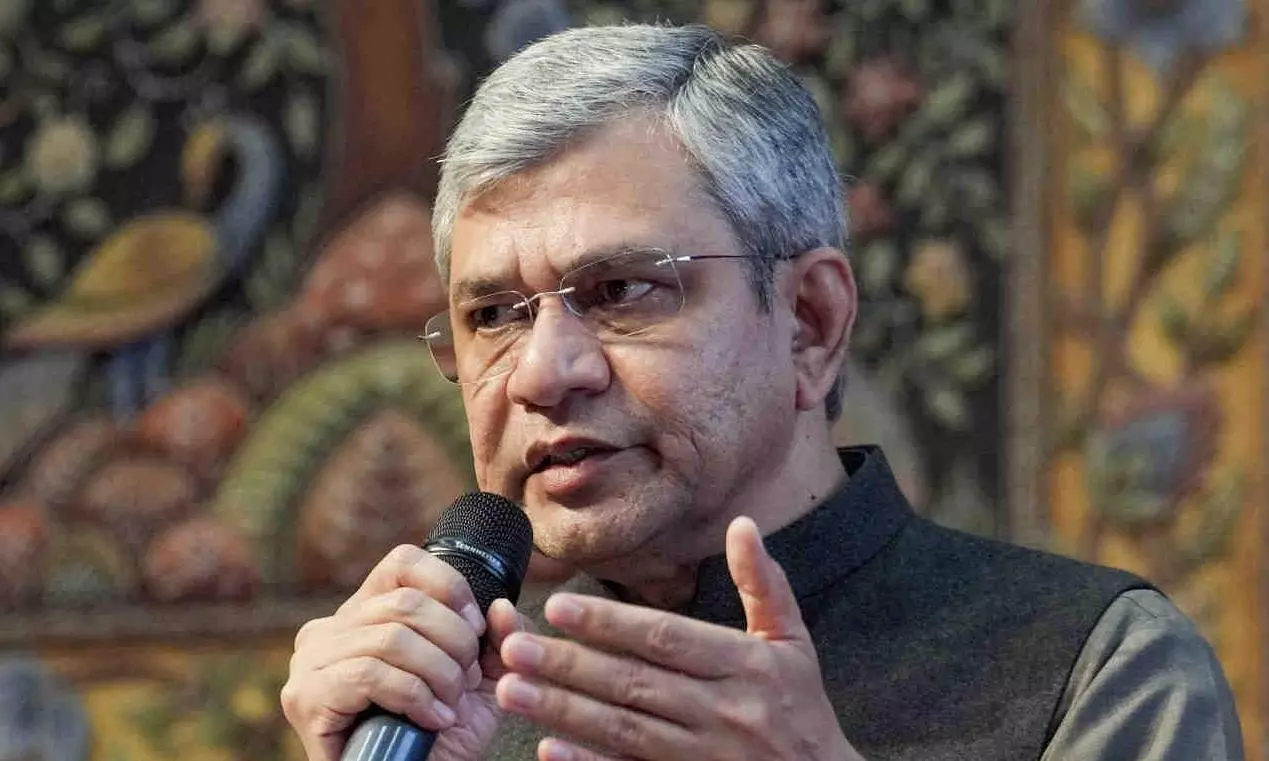
New Delhi, Nov 6 (PTI) Information Technology Minister Ashwini Vaishnaw on Friday put the onus on social media platforms to proactively prevent online harm and protect users, calling for greater accountability on child safety, women's safety, algorithmic transparency and grievance redressal, but stopped short of indicating whether the government was considering withdrawing their statutory safe-harbour protection.
Vaishnaw said social media companies could no longer remain passive intermediaries as the digital ecosystem evolved and must take responsibility for the harmful consequences of content circulated through their platforms, including cyber fraud and so-called digital arrest scams.
"Today, social media platforms must take the responsibility for child safety, for women's safety, for digital arrest, for the harms which come to the citizens, ...social media platforms must take proactive steps. Unlike the past, they must take proactive steps to make sure that our society is safe," said Vaishnaw, who also heads the Information and Broadcasting Ministry.
However, the minister did not spell out whether this greater responsibility would entail changes to the legal protections available to intermediaries under Section 79 of the Information Technology Act, which provides conditional safe-harbour immunity from liability for third-party content hosted on their platforms.
Safe harbour protects intermediaries from being held liable for user-generated content, provided they meet prescribed due-diligence requirements and comply with applicable legal obligations. Any move to withdraw or substantially alter that protection could fundamentally change their legal exposure and content-moderation responsibilities.
The Modi government had previously called for greater transparency in the algorithms used by social media companies to recommend, rank and amplify content, an issue that has increasingly come under regulatory scrutiny globally.
Algorithm-driven platforms influence what users see, how information spreads and which material gains visibility. Greater transparency, the minister suggested, should form part of the broader accountability expected of technology companies.
It had also questioned the effectiveness of existing grievance redressal avenues, arguing that citizens should not have to approach the police or courts as their only recourse when they suffer serious harm through social media.
Vaishnaw's remarks come amid growing concerns over digital arrest frauds, in which criminals impersonate law enforcement officials and use fabricated investigations, threats of arrest and prolonged video calls to extort money from victims. Online abuse, exploitation of children, deepfakes and the circulation of harmful content have also intensified scrutiny of platform safeguards.
Under India's existing IT regulatory framework, significant social media intermediaries are required to appoint grievance officers, follow due-diligence obligations and comply with lawful government and court directions. Section 79 provides conditional legal immunity, rather than blanket protection, for third-party content. PTI