



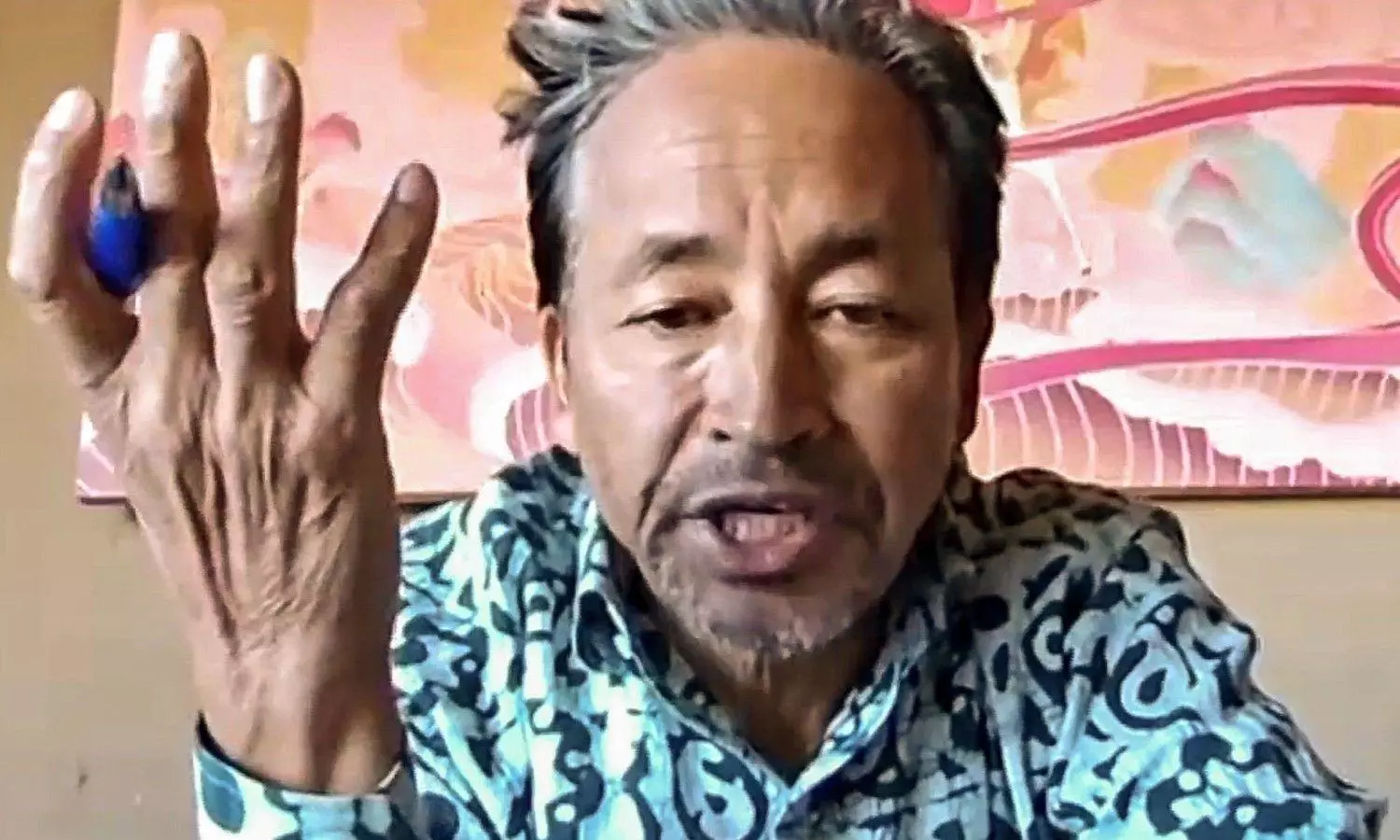
Sonam Wangchuk not seen in videos used for NSA detention: Sibal informs SC
Kapil Sibal tells the Supreme Court that Sonam Wangchuk is not seen in videos used to justify his NSA detention in the Ladakh protest case

The Supreme Court on Monday (January 12) was informed by senior advocate Kapil Sibal that climate activist Sonam Wangchuk could not be seen in the videos used by authorities as the basis of his detention.
Sibal, representing the Ladakh-based activist’s wife Gitanjali Angmo, submitted before the bench of Justices Aravind Kumar and PB Varale during the hearing of the habeas corpus petition filed by Angmo.
Wangchuk was arrested in Ladakh on September 26 following violent statehood protests and is currently lodged in a jail in Jodhpur under preventive detention.
‘Wangchuk’s speech on non-violence ignored’
Elaborating further, Sibal said that the authorities completely ignored Wangchuk’s speech on non-violence, adding that the videos of September 24 were actually recorded after the alleged violent incident and yet were being used against him. Sibal also said that Wangchuk could not even be seen in the videos, reported the Bar and Bench.
Also Read: Parliamentary panel urges UGC to recognise Sonam Wangchuk’s HIAL in Ladakh
Angmo had approached the court in early October, challenging her husband’s detention under the National Security Act, contending that it was illegal and aimed at silencing peaceful dissent. Sibal submitted that Wangchuk had consistently followed Gandhian principles and non-violent methods.
‘Videos not provided to Wangchuk’
Sibal then outlined what he described as four fundamental defects in the detention order. He said the most serious flaw was that crucial material relied upon by the detaining authority had not been supplied to Wangchuk, which effectively deprived him of the right to make a meaningful legal representation against his detention.
Also Read: Ladakh seeks statehood, Sixth Schedule status in new proposal
Sibal further stated that four videos dated September 24, 2025, were specifically relied upon in the detention order, but were never provided to the detainee.
When the bench asked whether this omission meant that Wangchuk’s right to make an effective representation had been curtailed, Sibal responded in the affirmative, stating that the lapse struck at the very heart of the constitutional protection guaranteed under Article 22.
He referred to Articles 22(1) and 22(5), which require that a detainee be informed of the grounds of detention and be given the earliest opportunity to make a representation.
‘Lack of application of mind’
He further submitted that the detention order was based on a recommendation that was never furnished to Wangchuk and that the grounds of detention were merely a verbatim reproduction of that recommendation. When the court asked whether this amounted to a lack of application of mind, Sibal answered in the affirmative.
Also Read: Govt orders judicial probe into September 24 Leh violence
Sibal also highlighted the time gap between the events cited and the detention order, noting that several documents referred to incidents dating back to March 2024, while the detention was ordered on September 26, 2025.
He argued that although the order cited events from September as the trigger, the related materials were never supplied, and added that several FIRs relied upon did not even name Wangchuk.