How Meta uses safe harbour, community guidelines to supersede national laws
Experts say regulatory bodies must acquire technical know-how to audit algorithms of social media platforms like Meta and enforce accountability on advertisement revenue

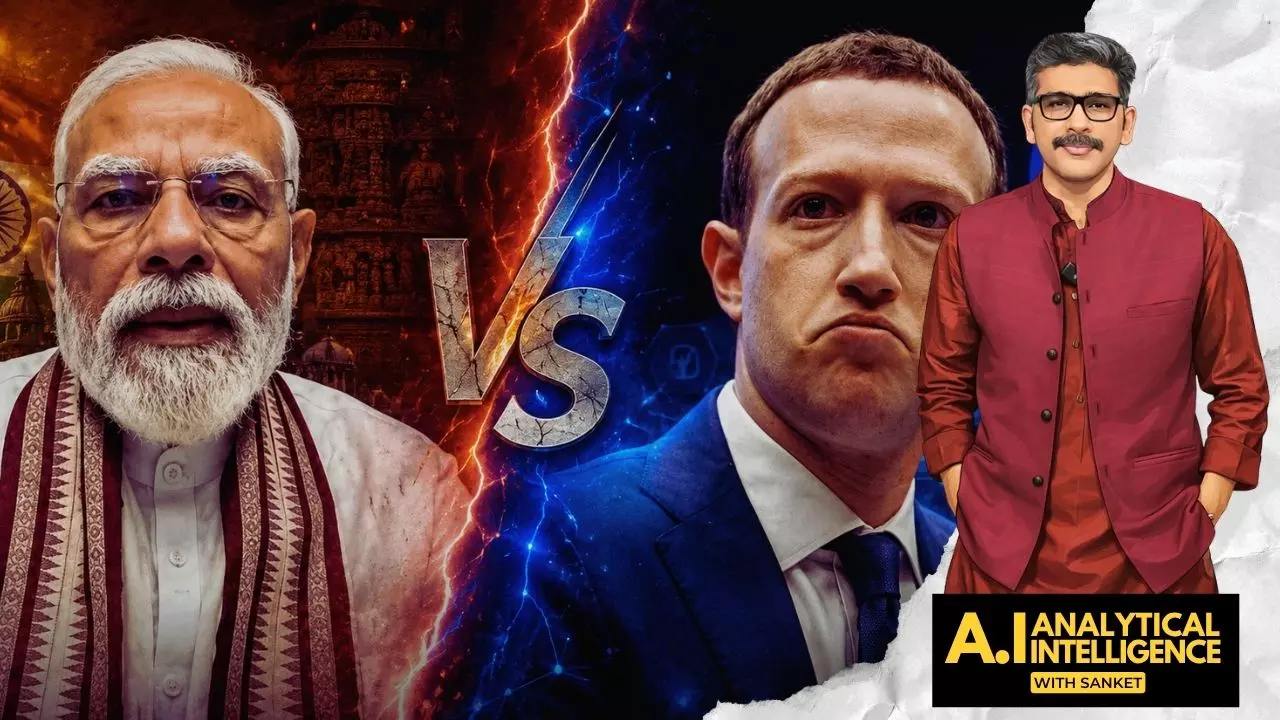
Meta is facing intense scrutiny from the government following the temporary removal of a video posted by Prime Minister Narendra Modi on Facebook. Experts say Meta is not the lone ‘offender’. Several global platforms, already protected under legal clauses like safe harbour protection from third-party content, often use their proprietary “community guidelines” and opaque algorithms to supersede the laws of a given country, India in this case.
"Meta has been flouting rules across the globe, and its community guidelines effectively supersede the laws of every single country," says cybersecurity expert Sanjay Sahay. An ex-IPS officer, Sahay is the founder and director of TechConPro and a member of UGC's Cyber Security Expert Committee.
Sahay said that Meta currently manages thousands of unresolved user grievances in India while officially claiming that only a minor fraction remains pending. He noted that the company's status as an intermediary is facing unprecedented scrutiny under Indian cyber law.
Will apologies address bigger issues?
Even though Meta has apologised for removing Modi’s video, calling it a “glitch,” the government has found the explanation unsatisfactory.
A parliamentary standing committee on Wednesday asked Meta CEO Mark Zuckerberg to apologise over the goof-up on the prime minister’s video or face legal action and the withdrawal of safe harbour protection.
Also read: New Mexico court orders Meta to pay $567 million over harm to young users
Under Section 79(1) of the Information Technology Act, social media platforms enjoy safe harbour protection, shielding them from liability for user-generated content. However, if this protection is withdrawn under Section 79(3), Meta could be treated as a publisher, making it legally liable for content hosted on its platforms.
Sahay says issuing tight deadlines for apologies does not resolve fundamental legal contraventions. He explained that global tech firms have historically navigated around state regulations across multiple international jurisdictions with minimal long-term disruption to their business models.
Once a platform rectifies a specific error or restores taken-down content, the immediate legal cause of action for that single incident diminishes. Consequently, regulatory focus must shift toward systematic monitoring and legal compliance rather than individual posts.
Meta under scanner for illicit material
Sahay weighed in on the issue during a discussion in The Federal to analyse if regulators can hold global tech platforms like Meta accountable under existing laws in light of the recent controversy. The discussion, also attended by Khushbu Jain, advocate at the Supreme Court and founding partner at Ark Legal, also focused on algorithm transparency, safe harbour protection illegal paid advertisements.
Jain stressed that the government’s confrontation with Meta extends far beyond any single deleted post. She noted that platforms like Facebook and Instagram face growing criticism for hosting illegal activities and illicit material.
Also read: Meta apologises for temporarily removing PM Modi's FB post
Pointing to international investigative reports regarding Child Sexual Abuse Material (CSAM), Jain mentioned that government ministries have repeatedly sought detailed explanations from tech firms regarding content moderation practices and user safety measures.
Should safe harbour protect paid ads too?
A major point of contention involves Meta's primary revenue source. With nearly 98 per cent of its overall revenue derived from commercial advertising, questions have arisen over whether sponsored and paid promotions should enjoy the same safe harbour protections as organic user posts.
Jain argued that when illegal material is distributed via paid promotions, it enters Meta's commercial system and passes through its internal review architecture. Under such circumstances, the platform functions as a commercial distributor rather than a passive intermediary.
When sponsored advertisements drive traffic to illicit channels, the platform derives direct revenue from that distribution. Jain stated that tech platforms must be held accountable for commercial ad approvals rather than hiding behind intermediary immunity.
Also read: Centre summons Meta policy chief Joel Kaplan again over PM Modi's video removal: Report
While tech platforms frequently cite user privacy and freedom of expression when resisting government removal requests, Jain highlighted the contradiction when platforms unilaterally remove content, including posts by political leaders, under vague technical explanations.
Inaccessible algorithms
Discussing algorithmic oversight, Sahay stated that tech giants operate proprietary "black box" algorithms that regulators and external auditors have been unable to inspect or verify.
Tech firms aggressively protect their algorithms as intellectual property in court, rendering independent verification nearly impossible for national law enforcement agencies and regulatory bodies.
Also read: Death is not the end on social media: Meta patents controversial AI
Sahay added that corporate community guidelines effectively override national statutes in practice, enabling global platforms to dictate content visibility across more than 180 countries regardless of local legal frameworks.
Long-term challenges
Enforcing strict compliance remains an intricate challenge due to the immense scale of social media operations and deep public reliance on these platforms for daily communication.
While governments periodically assert authority when high-profile accounts are impacted, resolving systemic issues requires continuous legal mechanisms, independent auditing, and strict liability for commercial ad networks.
Also read: Meta India head Arun Srinivas booked over 'offensive' content on PM Modi
Both experts concluded that until regulatory bodies possess the technical capabilities to audit algorithms and enforce strict accountability on advertisement revenue, tech platforms will continue to maintain significant leverage over national jurisdictions.