



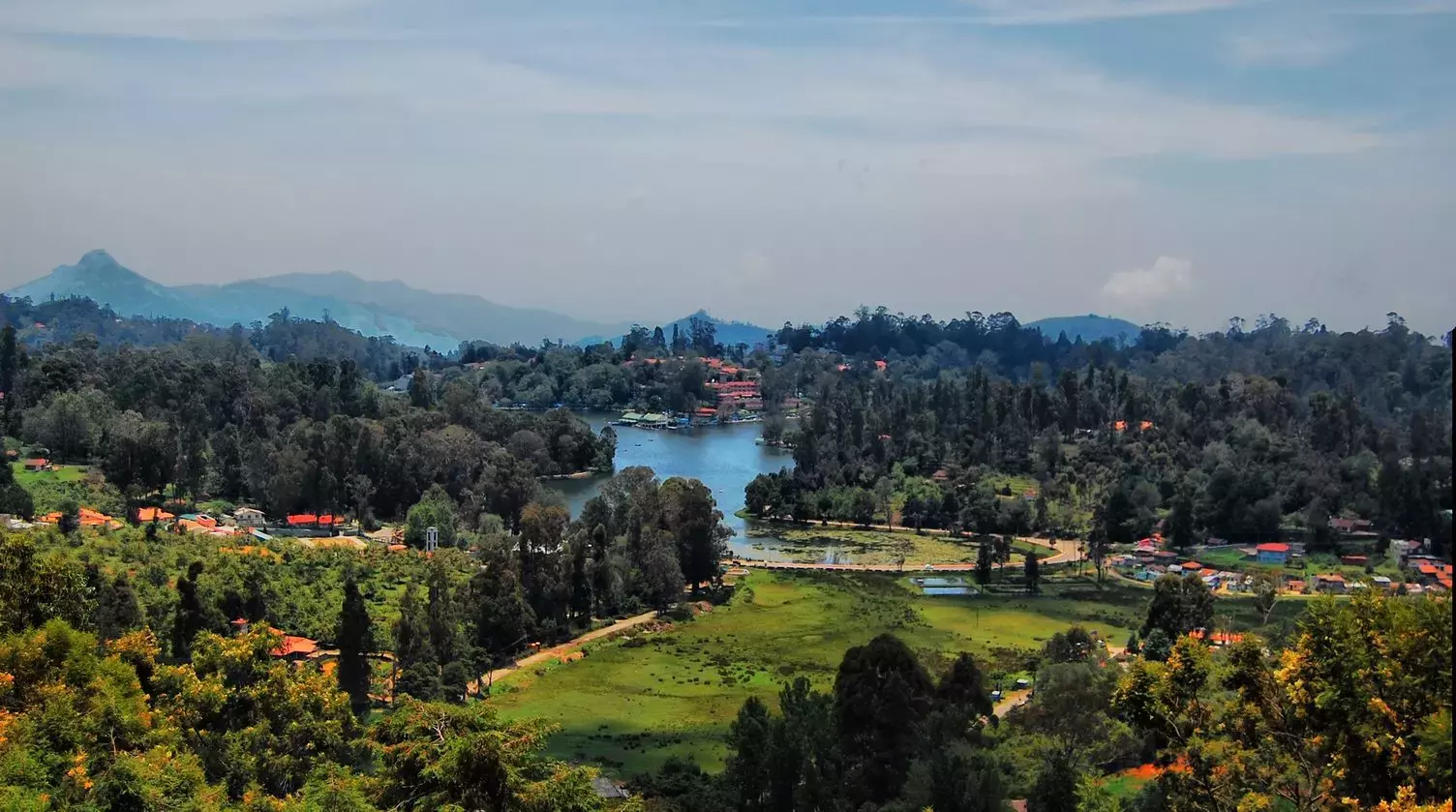
India, China ‘hellholes’? Tourism data tells a different story
Trump endorsed post calling India and China 'hellholes', but data paint a sharply different picture, underscoring their global appeal as tourist destinations

Amid the ongoing tensions involving the United States, Israel and Iran, US President Donald Trump has sparked fresh diplomatic controversy after reposting a remark referring to India and China as “hellholes” on his Truth Social platform.
Also read: Trump reposts racist rant calling India and China 'hell-holes'
The comment, originally made by radio host Michael Savage, suggested that people from countries like India and China travel to the US to secure “instant citizenship” for their children. By resharing it, Trump effectively endorsed the sentiment, drawing criticism from several quarters.
While the US Embassy in New Delhi later clarified that Trump considers India a “great country” and shares a strong personal rapport with Prime Minister Narendra Modi, the backlash has persisted.
What do the numbers say?
Beyond the rhetoric, however, data from both India and China paint a sharply different picture, underscoring their global appeal as major tourist destinations.
India has seen a steady recovery in tourism after the pandemic. Foreign Tourist Arrivals (FTAs) stood at 9.52 million in 2023, rising to 9.95 million in 2024, marking a 4.52 per cent growth. While there was a slight dip in 2025 to around 9 million arrivals, the overall trend reflects resilience.
Why do people visit India?
The country continues to attract visitors for a range of experiences - from iconic landmarks like the Taj Mahal and Jaipur’s heritage sites to spiritual tourism in Varanasi and Rishikesh, and leisure travel in Kerala and Goa.
Also read: Boost for lesser-known places, 40 tourism projects get Centre's nod; see full list
Medical tourism also contributes to this inflow. India has emerged as a preferred destination for affordable healthcare, drawing international patients for treatments such as cardiac procedures, organ transplants, and wellness therapies, often at significantly lower costs than in Western countries.
What's Indian tourism earning?
Tourism is also a significant economic driver. India earned over $35 billion in foreign exchange from tourism in 2024, with the sector contributing around Rs 15.73 lakh crore to GDP and supporting more than 84 million jobs.
Notably, the US remains the largest source of foreign tourists to India, with over 1.8 million American visitors in 2024 alone. Region-wise, most travellers come from Asia-Pacific (43 per cent), followed by Europe and North America, with many staying for extended periods (over three weeks) in the case of visitors from the US, Canada, and Australia.
What about China?
China’s tourism numbers are even larger in scale. The country has recorded over 130 million inbound tourist visits in 2024, with tourism revenues nearing $94 billion.
Also read: Mann Ki Baat: Modi urges citizens to explore winter tourism in Himalayas
Global travellers continue to visit destinations such as Beijing, Shanghai, and the Great Wall, drawn by a mix of cultural heritage, modern infrastructure, and urban experiences.
The irony
In both countries, foreign visitors spend heavily on accommodation, transport, shopping, and local experiences, making tourism a key pillar of economic activity. From yoga retreats and cultural festivals in India to shopping districts and historical sites in China, the diversity of offerings continues to attract millions each year.
Even as political remarks label these countries in derogatory terms, millions of international tourists, including Americans, continue to visit them annually, spending billions of dollars in the process.
In contrast, they are clearly the destinations the world is eager to explore, and willing to pay for.