



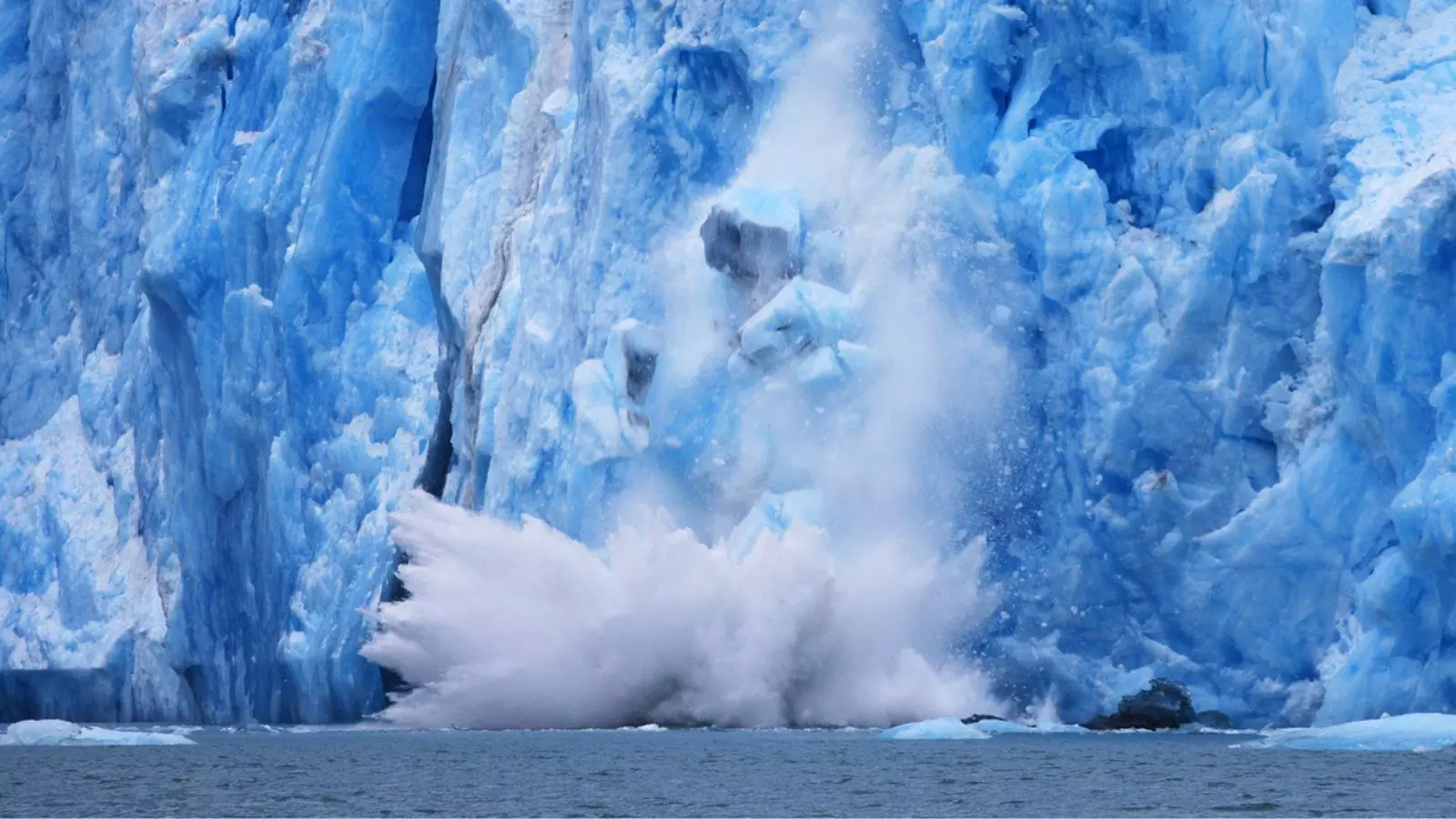
Himalayas near tipping point as glacier melt threatens India’s water security: Study
Faster glacier loss and hundreds of unstable glacial lakes are increasing the risk of floods and water shortages across the Hindu Kush-Himalaya region, a new study warns

The Himalayas are approaching a critical tipping point as glaciers melt faster than they did a decade ago, threatening water security across the region as it moves towards “peak water” by the middle of this century, according to a new study.
The study, produced by sustainability advisory firm Systemiq in partnership with the Integrated Mountain Initiative, the International Centre for Integrated Mountain Development, and India’s GB Pant National Institute of Himalayan Environment, highlights the growing risks posed by accelerating glacier loss.
The Hindu Kush-Himalaya region, which stretches across eight countries, from Afghanistan to Myanmar, has an estimated 40,000 glaciers. Yet only 21 are currently being monitored on the ground, underscoring what researchers describe as a major gap in understanding the pace and consequences of the changes.
Lakes pose growing threat
As glaciers retreat, they leave behind glacial lakes held back by unstable formations of loose rock and ice. These lakes can suddenly breach their natural barriers, unleashing potentially devastating floods on communities and infrastructure in valleys below.
Also Read: Scientists saw the Himalayan disaster coming, but nobody listened
India faces a particularly serious risk. Nearly 200 glacial lakes in the country have been identified as high-risk, with 56 classified as “very high risk”. Millions of people living downstream could be exposed if these lakes suddenly burst.
The combination of rapidly-melting glaciers and expanding glacial lakes is creating a paradox: increased water flows in the short term, followed by declining supplies as glaciers lose their capacity to provide sustained meltwater.
‘Peak water’ looms
The study warns that the Himalayas are nearing “peak water” — the point at which river flows, after rising because of accelerated glacier melt, begin to decline.
Such a shift could have profound consequences for water security, agriculture, hydropower, and communities dependent on Himalayan rivers. The stakes are particularly high for India, where the Himalayan region supports more than 20 per cent of the country’s GDP and forms a critical part of its economic infrastructure.
Also Read: Glaciers the size of Germany gone in 50 yrs; saving them a matter of survival: UN
Despite accounting for only about 18 per cent of India’s land area, the Himalayan region is responsible for roughly 35 per cent of the country’s natural disasters.
The study underscores the need for stronger glacier and glacial-lake monitoring, early-warning systems, and climate-resilient infrastructure as the region confronts increasingly rapid environmental change.
1,300 dead, more than 5,300 missing
The warning by the latest study comes days after the collapse of a Himalayan glacier along the Nepal-Tibet border in late August triggered cascading landslides and flash floods in downstream valleys. At least 1,300 people have been confirmed dead and more than 5,300 remain missing across Nepal and China’s Tibet region.
Also Read: Nepal floods highlight growing glacial risks, need for scientific assessments: Experts
After the devastating floods in Nepal caused extensive damage to the hydropower infrastructure in the country and considerably reduced its domestic generation capacity, India’s Ministry of Power announced on Monday (September 14) that it had approved the export of up to 654 MW of electricity to the Himalayan nation for 18 hours a day until December 31.