



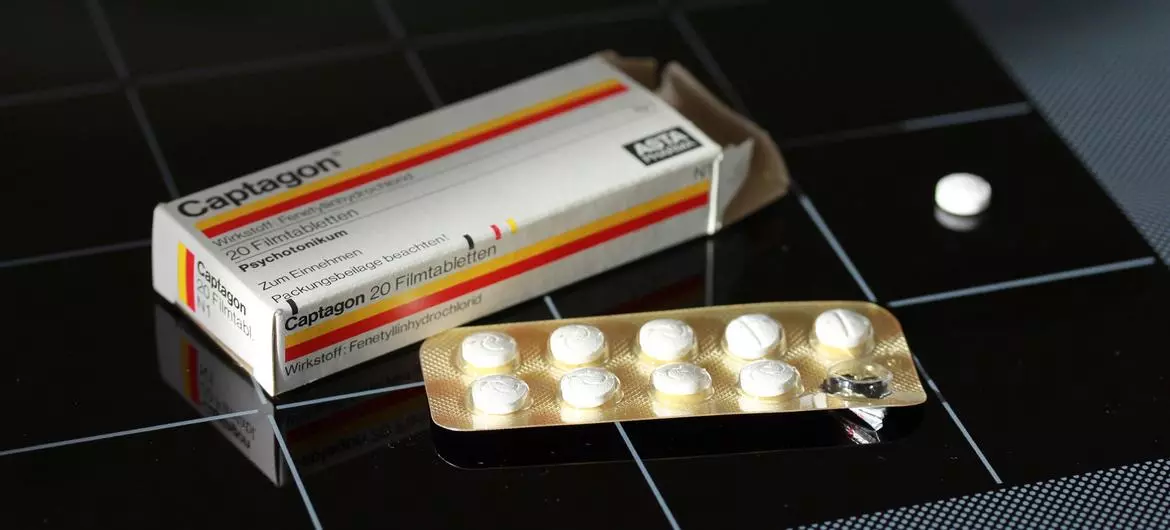
Explained: What is Captagon, the ‘Jihadi Drug’ seized by NCB in India’s first major haul?
The Captagon consignment was seized from Mundra Port and Delhi, with investigators linking the synthetic stimulant’s trade to West Asia-based trafficking networks

The Narcotics Control Bureau (NCB) has seized what is believed to be the first consignment of Captagon, often referred to as the “Jihadi Drug”, worth Rs 182 crore in India.
The drug was recovered from Mundra Port and Delhi’s Neb Sarai. A Syrian national had allegedly concealed it inside a tea leaves box. At Mundra Port, the consignment had arrived in a container declared as a wool shipment, people aware of the matter said.
What is Captagon, and what is it used for?
Captagon is a common street name historically linked to Fenethylline, a synthetic stimulant originally developed in the 1960s for treating attention-related disorders such as ADHD and narcolepsy.
Also read | Why cough syrup tragedy exposes India's chronic drug regulation crisis
The drug was internationally banned in the 1980s over concerns regarding addiction and misuse, and was later placed under Schedule II of the UN Convention on Psychotropic Substances.
According to sources, most illicit Captagon tablets currently found in illegal drug markets typically contain mixtures of amphetamine, caffeine, methamphetamine, and other synthetic stimulants. The drug is manufactured through clandestine operations.
Why is Captagon widely abused in West Asia?
Sources added that Captagon is widely abused in parts of West Asia because of its stimulant and euphoric effects. These include increased alertness and energy, reduced hunger and fatigue, temporary euphoria, prolonged wakefulness, and heightened confidence and aggression.
The drug has also been associated with impaired judgement, impulsive behaviour, and psychological dependence following repeated use. In some regions, it is also referred to as the “Poor Man’s Cocaine.”
Why is Captagon also referred to as the “Jihadi Drug”?
Sources said Captagon has often been described in international media and security discussions as the “Jihadi Drug” due to repeated allegations and intelligence inputs over the years linking its abuse and trafficking to extremist and conflict-zone networks operating in parts of West Asia.
Why is Captagon trafficking considered a major security threat?
International agencies have identified the Captagon trade as one of the most significant emerging synthetic drug threats in West Asia, involving clandestine laboratories, diversion of precursor chemicals, hawala financing, forged trade documents, maritime trafficking routes, courier networks, and sophisticated concealment methods. This is attributed to its relatively low production cost and extremely high illicit demand. Syria has historically been considered the primary hub of illegal Captagon production.
The term emerged because of reports of its use by groups such as the Islamic State of Iraq and Syria (ISIS), as the stimulant effects of the drug allegedly enabled users to stay awake for extended periods, suppress fear and exhaustion, increase aggression and risk-taking behaviour, and sustain prolonged combat-like activity under stressful conditions.
Also read | Deadly narcotic tablets overtake ganja as choice drug of TN youth
Several international investigations and recoveries from conflict zones over the past decade indicated that Captagon tablets were found among armed groups and trafficking syndicates operating in war-affected regions.
According to sources, the massive profits generated through Captagon trafficking have also reportedly become a significant source of illicit financing for extremist-linked networks such as ISIS.
How are modern Captagon tablets different from the original drug?
Modern-day Captagon tablets are often illegally manufactured and may not contain the original Fenethylline composition. Many pills seized in recent years have contained amphetamine, caffeine, or other psychoactive substances, while some reportedly contained no stimulant ingredients at all.