



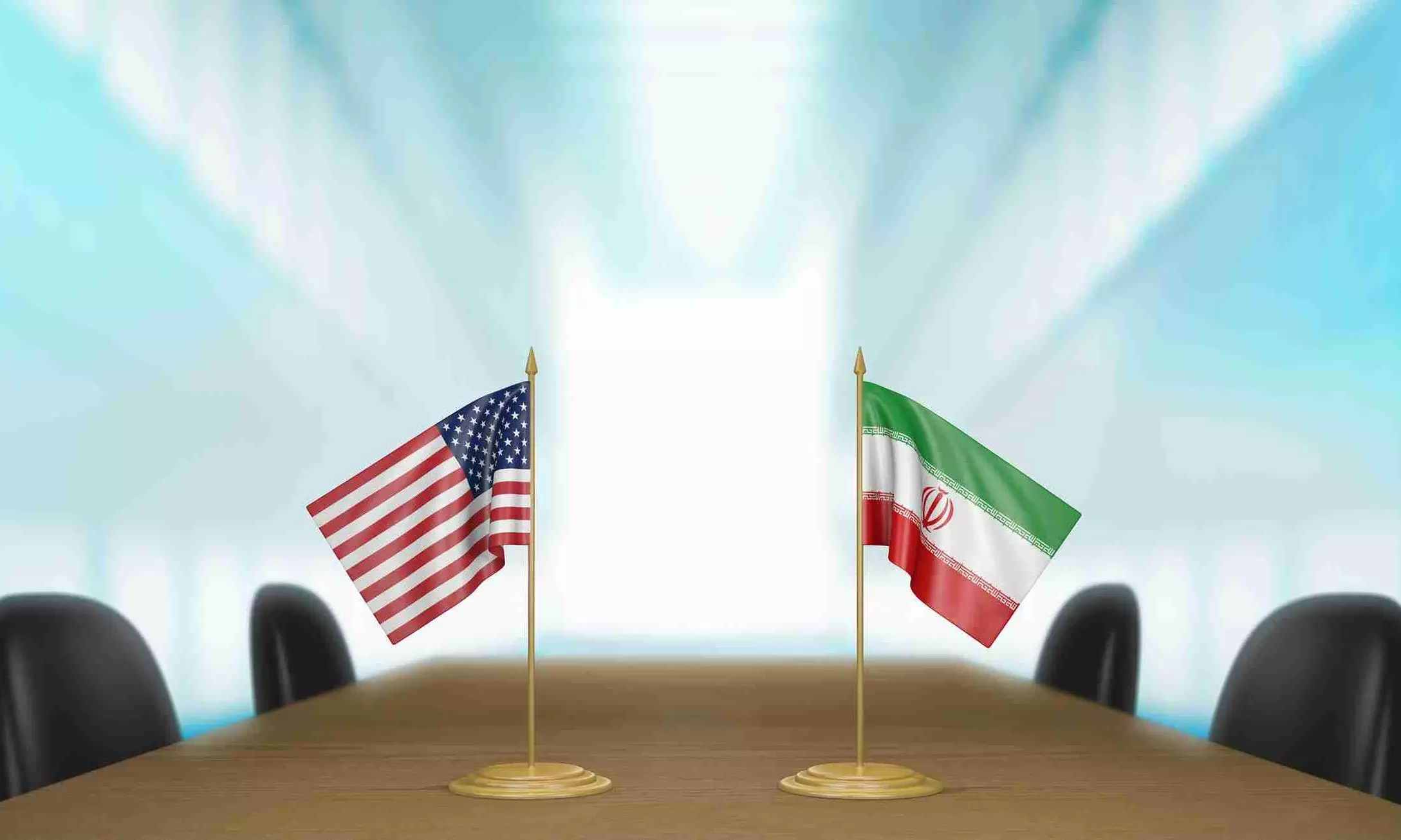
Pakistan says US, Iran may sign deal in 24 hrs; what’s in the ‘Islamabad Agreement’?
The proposed MoU, reportedly mediated by Qatar and Pakistan, lays out a roadmap for military de-escalation, economic relief and future nuclear negotiations

The United States and Iran appear to be edging closer to a breakthrough agreement that could formally end months of conflict and open the door to broader negotiations over Tehran's nuclear programme.
While both sides have indicated that some details remain unresolved, officials from Washington and Tehran have confirmed that a draft framework has been agreed upon. The proposed memorandum of understanding (MoU), reportedly mediated by Qatar and Pakistan, lays out a roadmap for military de-escalation, economic relief and future nuclear negotiations.
Pakistan Prime Minister Shehbaz Sharif reportedly said on Saturday (June 13) that the deal is likely to be finalised in the next 24 hours.
60-day ceasefire
At the centre of the draft agreement is a 60-day ceasefire across active fronts in the region. The proposal also calls for the immediate reopening of the strategically vital Strait of Hormuz, through which nearly a fifth of the world's oil supply passes.
Also read: 'We ended the war with Iran', announces Trump
Iran has insisted that the lifting of the US-led naval blockade on its ports should be the first step under the agreement. In return, Tehran would restore free navigation through the strait and work towards returning shipping volumes to pre-war levels within 30 days.
The ceasefire framework is also expected to extend to Lebanon, where tensions escalated during the conflict.
Sanctions relief
In a major concession, the United States is expected to provide phased sanctions relief if Iran complies with the agreement.
The draft terms include waivers on Iranian oil exports and a mechanism to gradually release billions of dollars in Iranian assets frozen overseas. However, the timing and scale of the asset release remain under discussion.
Iran has reportedly sought immediate access to a portion of the funds upon signing the agreement, while Washington prefers a compliance-based approach under which funds would be released in stages.
Also read: Trump threatens Iran's oil infra as strike exchanges resume: 'Will hit very hard tonight'
Officials have also discussed allowing Iran limited access to frozen funds held in Qatar for the purchase of humanitarian goods.
Nuclear programme
The most critical issue remains Iran's nuclear programme.
The proposed deal requires Iran to commit to never developing nuclear weapons and to enter a 60-day negotiation process aimed at reaching a more comprehensive nuclear agreement.
A key point of contention is Iran's stockpile of highly enriched uranium, estimated at around 400 kilograms enriched to approximately 60 per cent purity.
US officials have said the final objective is the dismantling of Iran's nuclear programme, including the removal or destruction of highly enriched uranium and the establishment of a long-term international inspection regime.
Tehran, however, has signalled that it prefers "down-blending" the uranium to lower enrichment levels under international supervision rather than removing it from the country.
Any concrete action on Iran's nuclear facilities would likely be part of a second and more detailed agreement negotiated after the ceasefire takes effect.
Regional security
The MoU reportedly includes discussions on wider regional security issues. According to sources familiar with the negotiations, Iran would be expected to curb support for armed proxy groups operating across the Middle East.
Reports have also suggested that long-standing US demands concerning restrictions on Iran's missile programme may be softened, although American officials have disputed that claim.
Also read: Iran attacked 3 ships with Indians, alleges Trump
The draft additionally contains provisions for discussing possible war reparations for Iran, though details remain unclear.
Israel not party to deal
Notably, Israel is not a party to the proposed US-Iran agreement despite being a central participant in the conflict that triggered the negotiations. Israeli Prime Minister Benjamin Netanyahu has publicly stated that Israel will not be bound by the terms of the deal and has not taken part in the talks mediated by Qatar and Pakistan.
Israeli officials have reportedly expressed concerns that the deal could leave Iran with significant leverage while failing to fully eliminate its nuclear capabilities.
Israeli Defence Minister Israel Katz said in a separate statement that Israel also expects Trump to uphold key Israeli interests, including weakening Iran's missile program and proxy network.
Katz warned that Israel could still act independently toward Iran and that the country would not pull out of the zones it is occupying in Lebanon, Syria and Gaza, nor would it withdraw from the northern refugee camps of the Israeli-occupied West Bank.
Attack continues
Despite Iranian claims that the deal could help end hostilities in Lebanon, Israeli military operations have continued unabated. On Saturday, Israeli forces issued fresh evacuation orders covering around 20 towns and villages across the Nabatieh, Jezzine and Sidon districts, areas located well north of the territory Israel has previously sought to control in southern Lebanon.
Also read: Iran-US peace talks show breakthrough as draft ceasefire deal emerges
The military also carried out a series of air strikes on the Tyre district, including the villages of Qana, Bazouriyeh and Rashkananiyeh, while additional attacks were reported in Nabatieh al-Fawqa and Khirbet Selm.
What happens next?
Officials from both Iran and the US have indicated that the agreement could be signed soon, with Qatar and Pakistan continuing efforts to finalise the remaining details.
If signed, the deal, reportedly called the "Islamabad Agreement" by mediators, would mark the most significant US-Iran diplomatic breakthrough in years, potentially easing tensions in the Gulf, restoring oil flows and creating a pathway for broader negotiations over Iran's nuclear ambitions.