



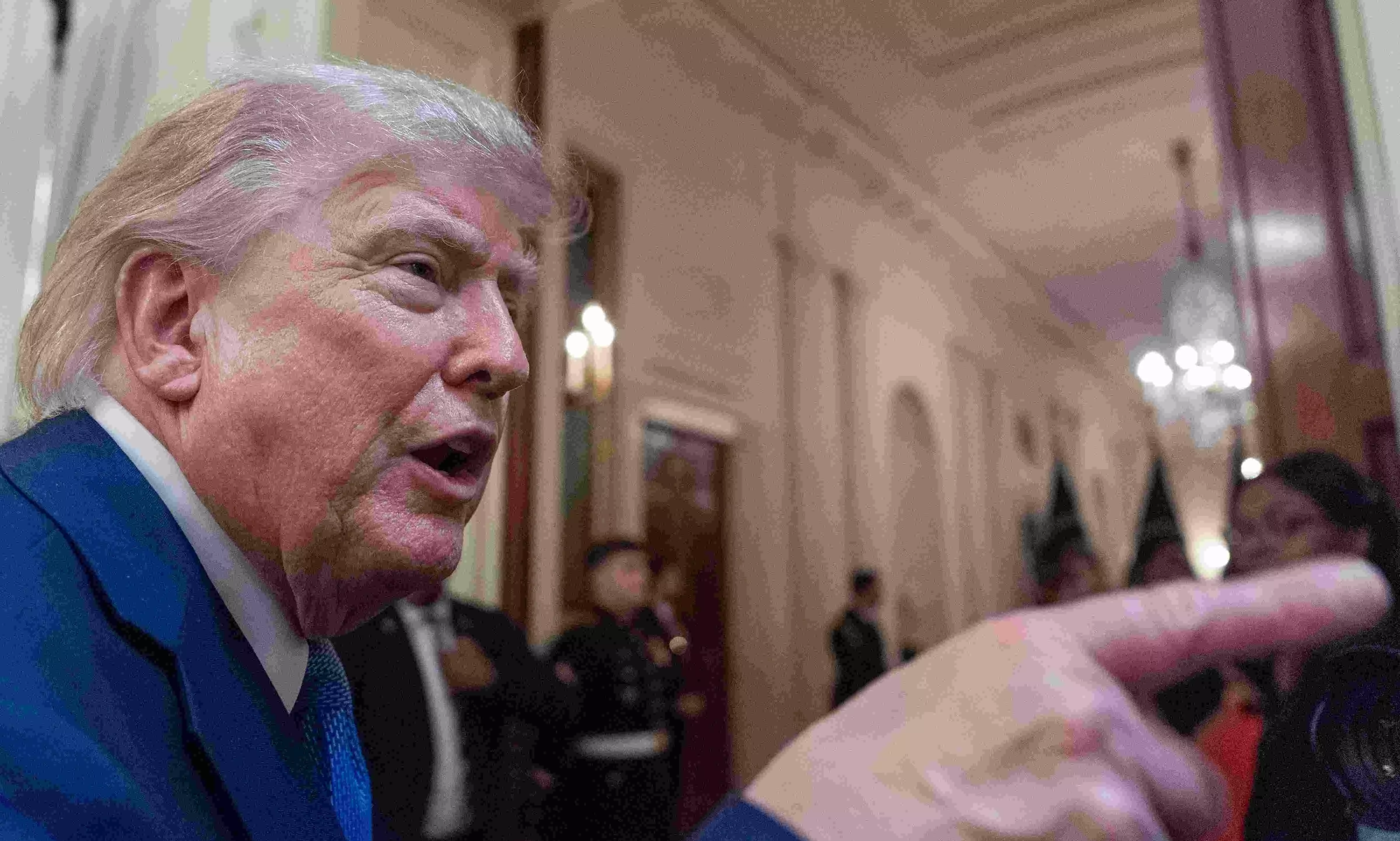
Trump threatens severe economic penalties for countries trading with Iran
US President Donald Trump warns Iran’s trade partners of “tremendous economic consequences” as Washington intensifies its campaign to isolate Tehran

In a bid to intensify economic pressure on Iran and cut off its access to funds, US President Donald Trump on Thursday (August 20) threatened severe economic penalties against countries that continue doing business with the Islamic Republic, widening Washington’s pressure campaign as the Middle East war approaches its sixth month.
Trump described the move as the toughest economic action ever directed at a country. The Republican leader, in a Truth Social post, accused Iran of rejecting opportunities for an agreement, stating, “No one has given the Islamic Republic of Iran a greater opportunity to make a Deal than me.”
Trump warns Iran's trade partners
Elaborating further, Trump warned that countries providing Iran with financial or commercial assistance would face severe penalties.
“Any country that allows its financial institutions, businesses, airports, or government entities to provide any type of lifeline to Iran will itself face TREMENDOUS Economic Consequences,” added Trump.
Also Read: Uneasy ‘peace’ without a deal as US-Iran deadline passes
He demanded an immediate halt to activities linked to Iranian trade, including oil smuggling, cash transfers, ship registrations and front companies. However, Trump did not identify the countries he was warning. “They know who they are,” he said.
China, India, Turkey, Germany, South Korea and Japan were among Iran’s largest trading partners before the conflict began.
Washington pushes economic isolation
Trump called the campaign an “ECONOMIC D-DAY” and urged US allies to join Washington in isolating Tehran. He also repeated his warning that “IRAN WILL NEVER HAVE A NUCLEAR WEAPON.”
The announcement follows months of US Treasury sanctions under “Operation Economic Fury”, which seeks to restrict Tehran’s access to funds.
Also Read: Trump may drop Iran nuclear deal push if Strait of Hormuz reopens: Report
The war began on February 28, when US and Israeli forces launched joint strikes against Iran. Iranian forces responded by attacking American and Israeli targets across the Middle East. The fighting killed senior Iranian leaders, including Supreme Leader Ali Khamenei.
Trump said earlier this week that Washington was not holding talks with Tehran after a 60-day ceasefire expired. “There are no talks or conversations going on, or scheduled, with the Islamic Republic of Iran,” he wrote.