







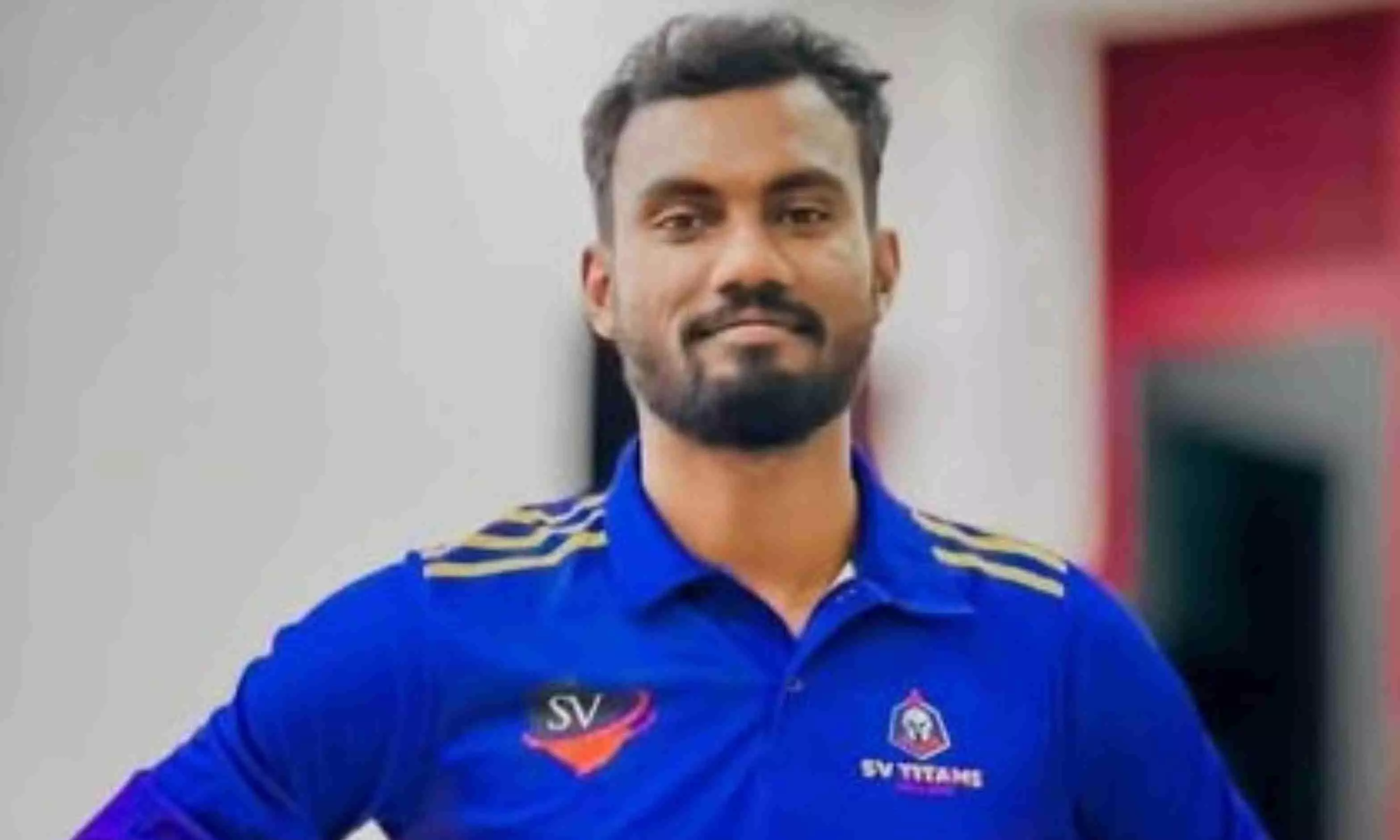
Saudi apex court overturns Sri Lankan migrant Anojan Sivarasa’s death sentence
Saudi Arabia's supreme court quashes Sri Lankan migrant worker's death sentence after diplomatic pressure, though he remains in jail

The Saudi Arabian supreme court has set aside the death sentence imposed on a 24-year-old Sri Lankan migrant worker accused of blasphemy following intensive diplomatic intervention by the Sri Lankan government and sustained pressure from international rights groups.
Anojan Sivarasa, 27, a Sri Lankan Tamil, had been facing execution after Saudi prosecutors appealed against an earlier prison sentence and secured a death penalty ruling under the kingdom’s Sharia law framework. On Tuesday (October 13), the Saudi supreme court struck down the execution order, although Sivarasa remains in custody pending further legal proceedings.
The case against Sivarsa
The case stemmed from an online dispute in June 2026. According to reports citing Sri Lankan officials and members of Sivarsa’s legal team, the controversy began after a social media argument related to a viral video involving a dog near a Hindu pilgrimage site. During the exchange, another user allegedly posted derogatory comments about a Hindu deity, prompting Sivarasa to make a remark referencing Prophet Muhammad. The entire exchange was reportedly in Tamil.
Also read: Why does a judge think 23 death sentences make him brave?
Even though Sivarsa quickly deleted it and published a video apology expressing remorse, screenshots of the post circulated online and were reportedly forwarded to his employer in Saudi Arabia, who alerted local authorities. Sivarasa was arrested on July 1.
Initially, the Al-Ahsa Criminal Court sentenced him on July 15 to five years’ imprisonment and imposed a fine of 3 million Saudi riyals under the country’s cybercrime laws. The case took a dramatic turn two months later when prosecutors appealed to have the matter considered under Sharia law. On September 17, an appellate court accepted the prosecution’s request and replaced the prison term with a death sentence for blasphemy.
Sri Lankan government acts under pressure
The ruling triggered widespread concern in Sri Lanka and abroad. Human rights organisations, including Amnesty International and Human Rights Watch, raised alarms over the case, while petition campaigns and candlelight vigils were organised across north-east Sri Lanka. Religious leaders from Buddhist and Hindu communities also rallied behind the effort to secure his release.
Faced with mounting public pressure, the Sri Lankan government launched an intensive campaign to overturn the sentence. President Anura Kumara Dissanayake met Sivarasa’s family and publicly backed efforts to challenge the ruling. The country’s foreign ministry assembled a specialised legal team, including the president’s counsel, and dispatched senior lawyers to Riyadh to coordinate the appeal. The Sri Lankan government even took the unusual step of covering all his legal expenses.
Also read: Supreme Court dismisses plea to end hanging, leaves door open for review
Sri Lanka’s Deputy Foreign Minister Arun Hemachandra has confirmed in a Facebook post that the verdict had been overturned, crediting sustained diplomatic engagement for the outcome. He appreciated the Saudi Arabia government, the Sri Lankan ambassador, the secretary and officials of the foreign ministry, chairman and members of Sri Lanka Foreign Employment Bureau and the legal teams of both countries for their dedicated efforts.
President Dissanayake has thanked Saudi authorities for what he described as a humane and just decision and praised officials from both countries who worked on the case.
What next for Sivarasa?
Sivarasa’s ordeal, however, is far from over. Lawyers involved in the case reportedly said the supreme court ruling nullifies the death sentence but does not end proceedings. A fresh sentencing process is expected, with legal teams currently studying the court’s judgment to determine the scope of the next hearing.
Sivarasa remains detained at Dammam Central Prison. Concerns over his welfare intensified after he was reportedly attacked by another inmate with a sharp object, suffering injuries to his face and head. Sri Lankan officials said he received medical treatment and was later moved to a more secure cell. Sri Lanka’s ambassador to Saudi Arabia, Ameer Ajwad, has visited him in detention.
Also read: Sathankulam case: Why it is a rare verdict and what are its implications
Human Rights Watch have welcomed the decision to overturn the death sentence but urged Saudi authorities to stop using speech-related laws against migrant workers, arguing that they often have limited access to legal protection.
Previously, Sri Lankan migrant worker Rizana Nafeek was similarly executed despite efforts to secure clemency, the Daily Mirror newspaper said.
(With agency inputs)