



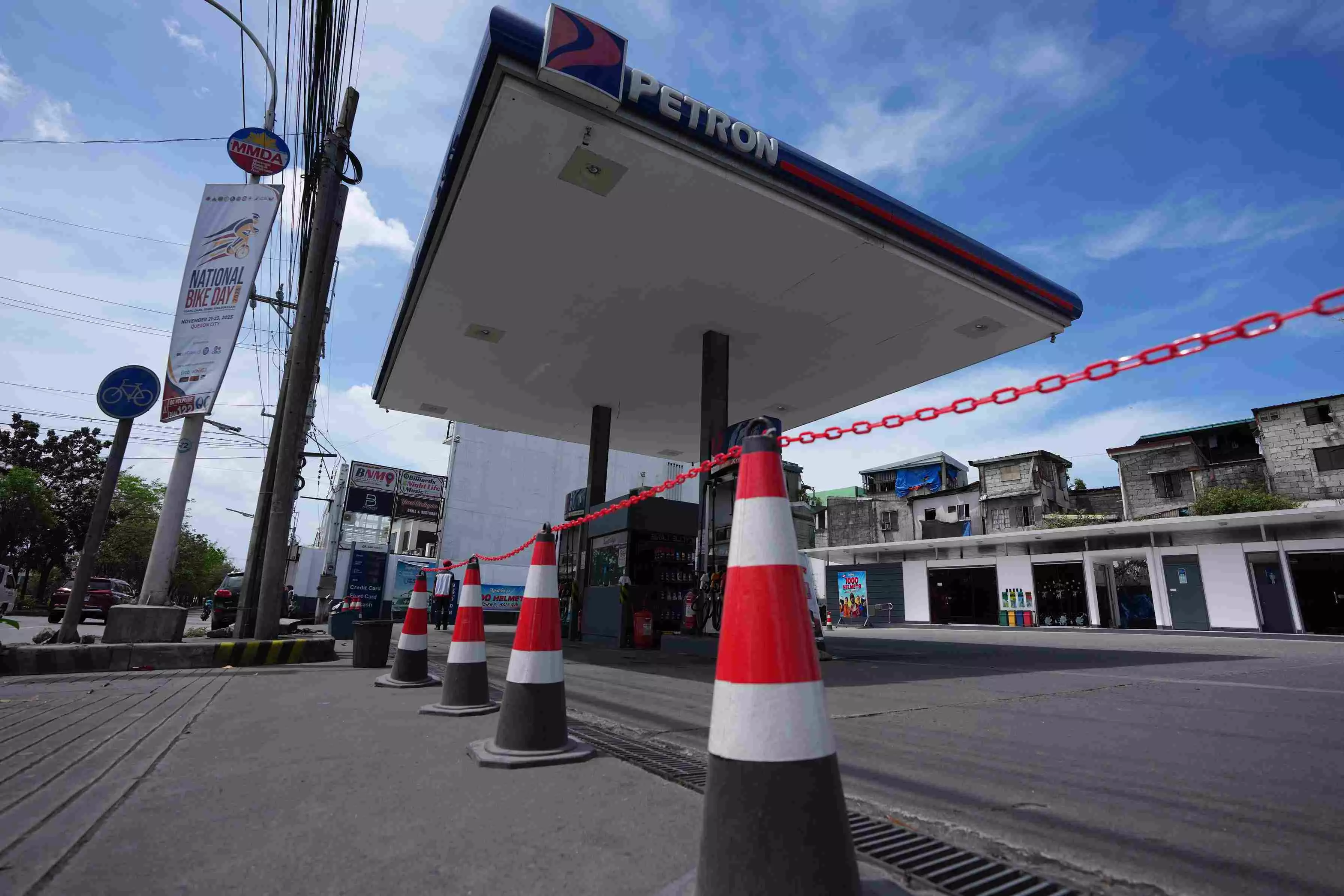
Philippines declares energy emergency over Iran war, supply fears
The executive order will remain in effect for one year and authorises the government to procure required fuel and petroleum products to ensure timely and sufficient supply

The Philippines has declared a state of national energy emergency against the backdrop of escalating tensions in West Asia to ensure energy stability and protect the economy.
The Philippines' President Ferdinand Marcos Jr signed an executive order citing the "imminent danger posed to the availability and stability" of the country's energy supply, becoming the first country to declare an energy emergency amid the Iran-US-Israel conflict.
Emergency fuel measures
The declaration, which will remain in effect for one year, authorises the government to procure the required fuel and petroleum products to ensure a timely and sufficient supply and, if necessary, pay part of the contract amount in advance.
Also read: What happens to India’s fuel supply if the Iran conflict worsens? | AI With Sanket
The war has effectively closed the Strait of Hormuz, a key shipping route, sending shock waves through global energy markets and causing shortages and price rises.
Addressing the media, Marcos said the conflict had created uncertainty in global energy markets, severe supply chain disruption, and significant volatility and upward pressure on international oil prices, “thereby posing a threat to the country’s energy security”.
“A committee has been formed to ensure the orderly movement, supply, distribution, and availability of fuel, food, medicines, agricultural products, and other essential goods,” Marcos said.
Buffer stock
Philippine Energy Secretary Sharon Garin earlier on Tuesday (March 24) told a news briefing that the country had around 45 days of fuel supply based on current consumption levels.
She said the government was working to procure 1 million barrels of oil from countries within and outside Southeast Asia to build its buffer stock.
Also read: China hikes fuel prices as Hormuz blockade sparks supply fears
The Philippines imports 98 per cent of its oil from the Gulf, and the price of diesel and petrol has more than doubled since the war broke out on February 28.
Marcos also directed the finance ministry, in coordination with the Philippine central bank, to closely monitor the impact of the Middle East conflict on the Philippine peso and remittances, including the risks of peso depreciation.