Paris police killing puts spotlight on plight of ex-LTTE fighters in West
The killing of ex-Tamil Tiger Vaithilingam Puwaneswaran (Kutti) exposes the hidden PTSD and troubled lives of thousands of exiled guerrillas in Europe and Canada

The killing of a former Tamil Tiger in a Paris suburb has turned the spotlight on thousands of ex-guerrillas from Sri Lanka who now lead largely quiet and often troubled lives across Europe and North America.
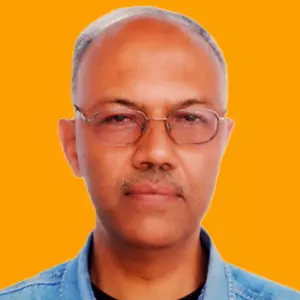
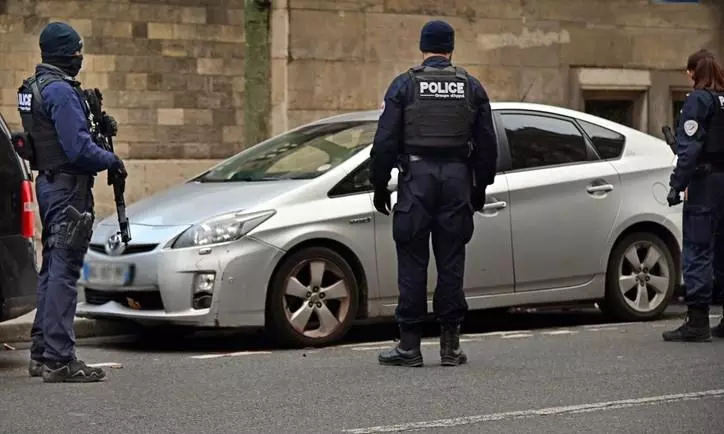
Vaithilingam Puwaneswaran, alias Kutti, from Mallavi in northern Sri Lanka, was shot dead by police on a residential street at Bobigny, in Paris, on May 30 after allegedly stabbing two neighbours and advancing towards officers with knives. French media reported that two police officers opened fire, hitting him twice. He died before reaching the hospital.
Initial reports linked the incident to a neighbourhood dispute, with little mention of his past as a member of the now-defunct Liberation Tigers of Tamil Eelam (LTTE).
Diaspora reaction
News of the shooting spread quickly among Sri Lankan Tamil communities across France and Europe. Tamil sources in both Europe and Sri Lanka stressed that the incident appeared unrelated to diaspora politics or rivalries among former LTTE supporters.
Also Read: Book excerpt: How Prabhakaran’s obsession with power destroyed the LTTE
“Most ex-LTTE guys in Europe lead really quiet lives,” a British Tamil originally from Jaffna, who has lived in London for about two decades, told The Federal. “It is often difficult to make out who is from the LTTE and who is not.”
Many former fighters now work in restaurants, shops, delivery services, construction and small businesses. While some remain active in Tamil political and memorial activities, most stay away from public attention.
Thousands of Tigers in exile
There is no official estimate of how many former LTTE members now live in the West, particularly in Canada and Europe. However, informed estimates place the number between 6,000 and 8,000.
Invisible scars: The hidden trauma of ex-LTTE fighters
♦ PTSD, severe depression, isolation, and alcoholism
♦ Immense difficulty adapting to normal civilian life
♦ Vulnerable to joining younger diaspora criminal gangs
♦ Lacking structured, long-term mental health support systems
Former LTTE commander Sathasivan Krishnakumar, better known as Kittu, had said in 1991 that around 3,000 cadres had already left the movement. The number grew over the next 18 years of conflict, particularly after the military defeat of the LTTE in May 2009.
Many former rebels, trained in weapons and explosives, found refuge abroad with the support of Tamil diaspora networks.
Trauma and adjustment
Friends of Puwaneswaran in France reportedly described him as someone who largely kept to himself, although they suggested he may have carried emotional scars from his wartime experiences.
According to UK-based Nesan Thirunesan, son of veteran Tamil militant Shankar Rajee, many former combatants continue to grapple with the psychological consequences of war.
“For them, PTSD (post-traumatic stress disorder) is real but often culturally unspoken,” he told The Federal, adding that trauma can manifest through anger, isolation, insomnia, alcohol abuse and difficulty adapting to civilian life.
Also Read: Why life today is a struggle of a different kind for former Sri Lankan LTTE fighters
Thirunesan also pointed to the emergence of criminal and gang networks among some younger diaspora Tamils in cities such as London, Zurich, Toronto and Paris. “This phenomenon has sometimes borrowed LTTE symbols, mythology and masculinity,” he said. “It is more about marginalisation, urban identity, money, status and unresolved violence.”
Criminal links
While most former LTTE members have integrated into civilian life, some have been linked to criminal activity and organised rackets. Former Tiger activists accustomed to extortion during the conflict have occasionally been associated with criminal networks abroad.
This has contributed to violent incidents involving Sri Lankan Tamils in some Western countries, including cases that ended in murder.
Still, Tamil community members caution against drawing broad conclusions from the Paris shooting Thirunesan said the Tamil community has never fully addressed the war’s mental health consequences for former fighters, civilians, child recruits, widows, torture survivors and families of the disappeared.
He also criticised the Sri Lankan state for failing to establish a credible and trusted long-term reintegration programme. “Some rebuilt their lives, some never did, and a few fell into crime, violence, alcohol or mental collapse,” he said.
Rehabilitation helps
Former LTTE cadres remain more visible in Sri Lanka’s north and east, where neighbours know their pasts and security agencies continue to monitor many of them.
Accounts from former fighters reveal struggles with depression, alcoholism, ill health and lingering attachment to the movement’s ideology.
A retired Sri Lankan military officer involved in rehabilitating surrendered LTTE members said the government’s rehabilitation programme played an important role in helping many adapt to civilian life.
“The rehabilitation process helped a lot,” he told The Federal. “But despite the rehabilitation, problems remain. Imagine what would be the condition of those in the West who never underwent any such syllabus."