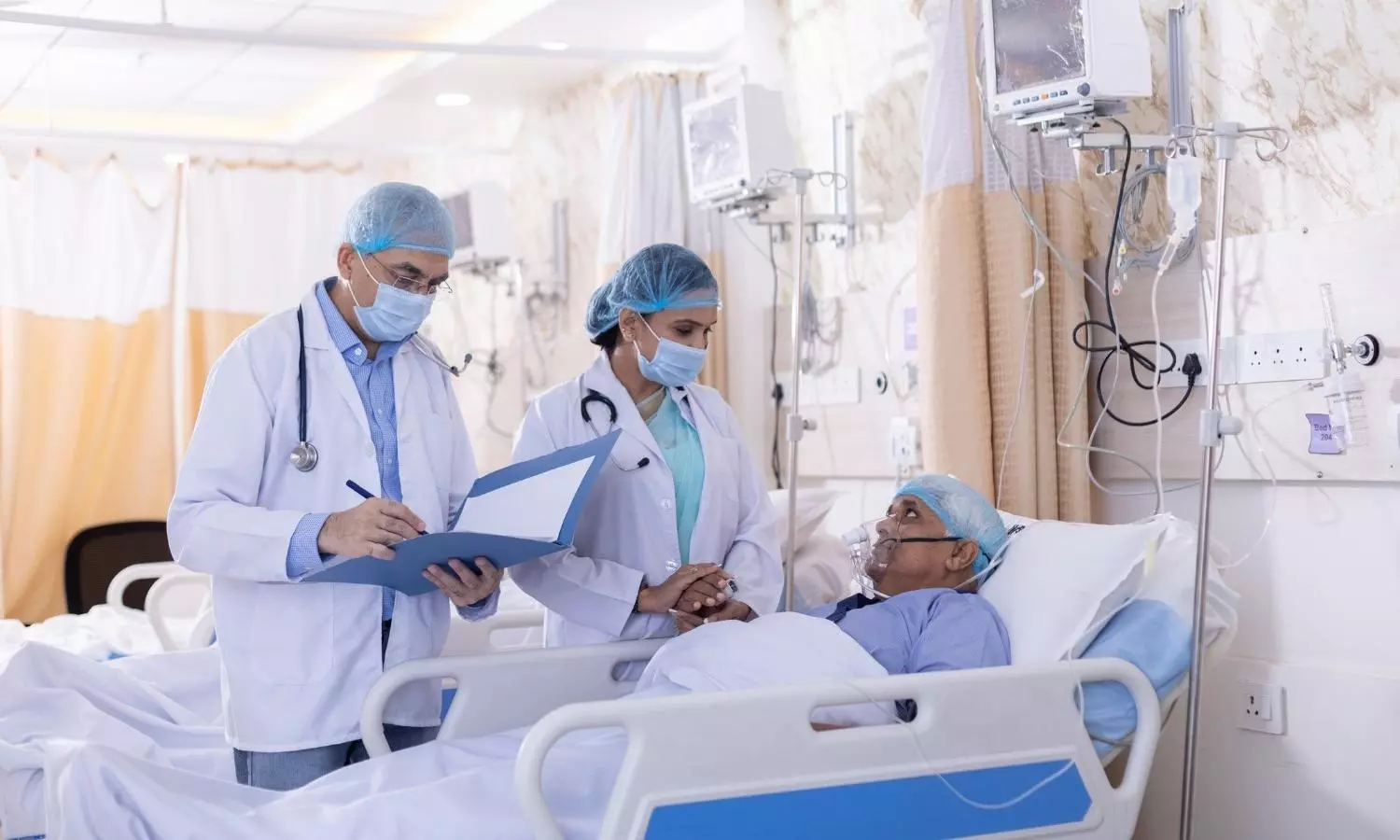
In Andhra Pradesh, seven new Covid-19 cases were reported on Tuesday (July 21), taking the total number of infections in the state to 26. Out of the 26 infected persons, four have died, 10 are undergoing treatment in hospitals, while nine are in home isolation. Three patients have recovered and been discharged.
Andhra Pradesh health commissioner G Veerapandian on July 23 noted that the deceased persons had suffered from severe comorbidities such as hypertension, diabetes, renal issues and others forms of illnesses.
"Sporadic Covid-19 cases were reported in the state. Between June 26 and July 16, 12 people contracted Covid-19 virus and four out of them succumbed," Veerapandian said in a press release.
Kolkata too has reported a small uptick in COVID-19 cases amidst a broader seasonal surge in viral and influenza infections across West Bengal. Hospitals like Fortis Hospital in Anandapur have documented a handful of positive cases (around eight) over a span of a week.
Covid-19: Making a comeback?
Does this uptick in cases mean that the Covid-19 epidemic is making a comeback?
Medical experts, however, dismiss the possibility. According to experts, Covid-19 continues to circulate as an endemic respiratory virus. Health agencies occasionally report small spikes in cases and localised outbreaks, which are primarily driven by waning immunity and new variants.
A report in India Today, quoting top virologists said that the recent COVID-19 upticks in different regions are just "localised endemic flare-ups", not a new wave. The report added that rapid evolution of virus SARS-CoV-2, waning immunity in people and regional factors keep the pattern irregular.
These outbreaks appear irregularly every few months, even as the dominant Omicron lineage constantly throws up new subvariants that are highly efficient transmitters capable of bypassing existing immune defenses.
Localised, mild spikes
However, these are not dramatically different variants capable of causing severe disease on a large scale; instead, they trigger localised, mild spikes before fading away.
India should expect these small, low-level cyclical upticks every few months rather than one large annual outbreak, said top virologists in the report.
Another reason for these periodic spikes is that immunity in people naturally declines over time, creating opportunities for reinfection. But since the population's immune memory remains intact from vaccination or prior infection, the virus now behaves similarly to a seasonal flu for most people, causing mild illness that does not overwhelm health systems.
The people who remain vulnerable for the virus to turn severe are primarily those with advanced age, weakened immunity, or underlying health conditions.
Reacting to the Covid-19 cases in Odisha, the state director of public health, Rabindranath Mishra too assured people that Covid-19 has become a "common influenza-like disease". He urged people not to panic and assured that proper protocols will be followed.
The Odisha health department too quickly issued a note stating that routine surveillance and standard clinical vigilance will be maintained, and the situation will be monitored closely as per the government of India protocol.
Andhra: 'No cluster outbreak'
Addressing the deaths that occurred in Andhra Pradesh, the state health department in Amravati said the four patients out of the 26 who died had pre-existing health conditions before being diagnosed with the infection.
The health department said that "the deceased persons suffered from severe comorbidities such as hypertension, diabetes, renal issues and others forms of illnesses".
Reiterating that the cases reported so far are “sporadic and spread across different districts”, the department further said that there was no evidence of a cluster outbreak in any part of the state. “The cases were detected in different districts and are not part of any cluster outbreak," the health department said in a press release.
Kadapa has reported the highest number of cases out of the total 26 cases at eight, followed by Guntur (six), East Godavari (three), Kakinada (two) and Bapatla (two), added the health department.
Two cases in Bihar
Meanwhile, in Bihar’s Berhampur, where two Covid-19 cases, involving a father and daughter, have been reported. However, the district administration said the condition of both patients was stable and there was no need to panic.
The district administration appealed to people to remain cautious while avoiding panic, saying the risk of COVID-19 can be effectively minimised through appropriate preventive measures and timely care, said a PTI report.
According to hospital officials, the father's health deteriorated on July 15. He was initially treated at a private clinic before being referred to Jawaharlal Nehru Medical College and Hospital (JLNMCH) after developing symptoms consistent with COVID-19. Soon after, his daughter too started showing symptoms.
COVID-19 protocols have since been activated and the district programme manager has been instructed to test people residing in the neighbourhood of the infected patients. The hospital said the condition of both patients was stable and there was no need to panic.
Kolkata
Medical experts noted that the current viral pattern resembles the Omicron wave, typically presenting mild upper respiratory symptoms such as high-grade fever, sore throat, persistent cough, and body aches.
In Kolkata, while most cases are mild and many go undiagnosed because patients skip testing, a few cases have required intensive care (ICU/PICU) support due to low oxygen levels or complications, particularly among elderly individuals, those with pre-existing conditions, or young children (such as a 10-year-old boy diagnosed with COVID-19 and pneumonia, who is currently stable).
Kolkata Port Trust too carried out a major sanitisation drive in all berths at Haldia dock complex to bring its operations to the normal level, which slumped to 50 per cent after a dock employee was tested positive to coronavirus on Saturday.
Cases across the country
PTI reported that across the country from July 1, 339 cases were reported, led by Kerala with 115 cases, followed by Karnataka (64), Maharashtra (43), Tamil Nadu (39), Andaman and Nicobar Islands and Delhi (18 each), Rajasthan (12) and a few more cases in other states.
These recent localised spikes in COVID-19 cases have renewed public anxiety about a potential resurgence.
However, experts confirm this is not the beginning of a major new wave. Instead, it reflects the standard behavior of an endemic virus that continuously circulates, mutates, and targets pockets of vulnerable populations.
What to do?
Pulmonologists and critical care specialists have advised maintaining general vigilance, wearing masks in crowded places, practising hand hygiene, and promptly consulting a physician if symptoms worsen or involve prolonged breathing difficulties.