



US court dismisses criminal charges against Gautam Adani, ending bribery case
The criminal proceedings end before trial after the Trump administration argued that continuing the prosecution was no longer in the interests of justice

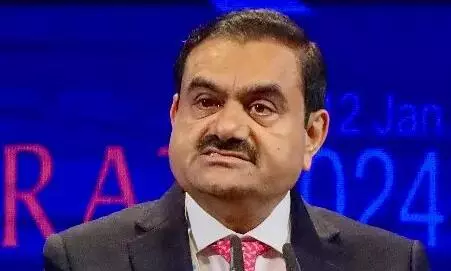
A US court has dismissed with prejudice the criminal charges against Adani Group chairman Gautam Adani and his nephew, bringing to an end nearly two years of proceedings in an alleged fraud and bribery case.
The US District Court for the Eastern District of New York granted the Justice Department's Rule 48(a) motion to dismiss the indictment against Gautam Adani, Sagar Adani and former Adani Green CEO Vneet Jaain. The counts covered securities-fraud conspiracy, wire fraud conspiracy, and securities fraud.
Judge Nicholas Garaufis allowed the Justice Department's motion after seeking additional explanations from prosecutors over their decision to abandon the case. A dismissal with prejudice permanently closes the criminal proceedings and bars the charges from being refiled, but does not amount to a judicial finding on the underlying allegations.
Trump DoJ seeks case dismissal
The criminal case originated in November 2024, when US prosecutors alleged that Gautam Adani, Sagar Adani, former AGEL Chief Executive Officer Vneet Jaain and others were involved in a conspiracy to pay USD 250 million in bribes to Indian government officials to secure solar power contracts projected to generate more than USD 2 billion in after-tax profits over two decades.
Also read | ‘Baseless’ speculations: Adani Group says it has no plans to enter airline business
Prosecutors also alleged that investors were misled while the group raised more than USD 3 billion through loans and bond issuances in US markets.
The Adani Group consistently denied the criminal allegations, describing them as baseless and maintaining that it had acted in accordance with applicable laws and regulatory requirements.
The SEC's separate civil action has also been resolved through the final judgment against Gautam Adani, under which he consented to the order without admitting the allegations. The final judgment also requires Adani to pay a USD 6 million civil penalty to the SEC within 30 days.
In its submissions before the court, the Trump administration said continuing the prosecution no longer served the interests of justice, citing significant jurisdictional and evidentiary challenges, the predominantly Indian nature of the alleged conduct, the fact that Indian authorities had examined the matter, the absence of identified investor losses and broader public-interest considerations.
The DoJ also stated that the indictment, unsealed in November 2024 during the closing weeks of the previous Biden administration, had little realistic prospect of proceeding to trial and appeared to have been a politically motivated "name and shame" exercise orchestrated by the outgoing administration.
Court ends criminal proceedings
In dismissing the charges against Adani, Garaufis said he was satisfied that Adani's November 2024 promise to invest USD 10 billion in the United States did not factor into the Justice Department's decision, and acknowledged that judges' role in reviewing federal prosecutors' decisions to drop charges was limited.
Adani welcomed the decision "with humility and deep respect for the judicial process." "Throughout this challenging period, our faith in truth, fairness and the rule of law remained unwavering. My deepest gratitude to those who never lost faith in us, in the system and in India's capacity for justice. We will continue doing what matters: building for our nation, creating value that outlasts us and serving a purpose larger than ourselves. That is our commitment," he said in a post on X.
Before approving the request, Judge Nicholas Garaufis directed the DoJ to publicly explain its reasons for seeking dismissal and required the defendants to file sworn declarations confirming there had been no promise, offer, quid pro quo or undisclosed agreement connected with the decision.
Also read | US DOJ defends Adani case dismissal, denies it’s tied to investment plans
In his sworn declaration, Gautam Adani categorically denied the existence of any promise, offer, quid pro quo or undisclosed agreement relating to the DoJ's decision. After reviewing the government's submissions and the sworn declarations, the court accepted the motion and permanently dismissed the case.
The dismissal means the criminal proceedings concluded before trial. No witnesses were examined, no evidence was tested in court, and no judicial findings were made on the underlying criminal allegations.
(With agency inputs)