







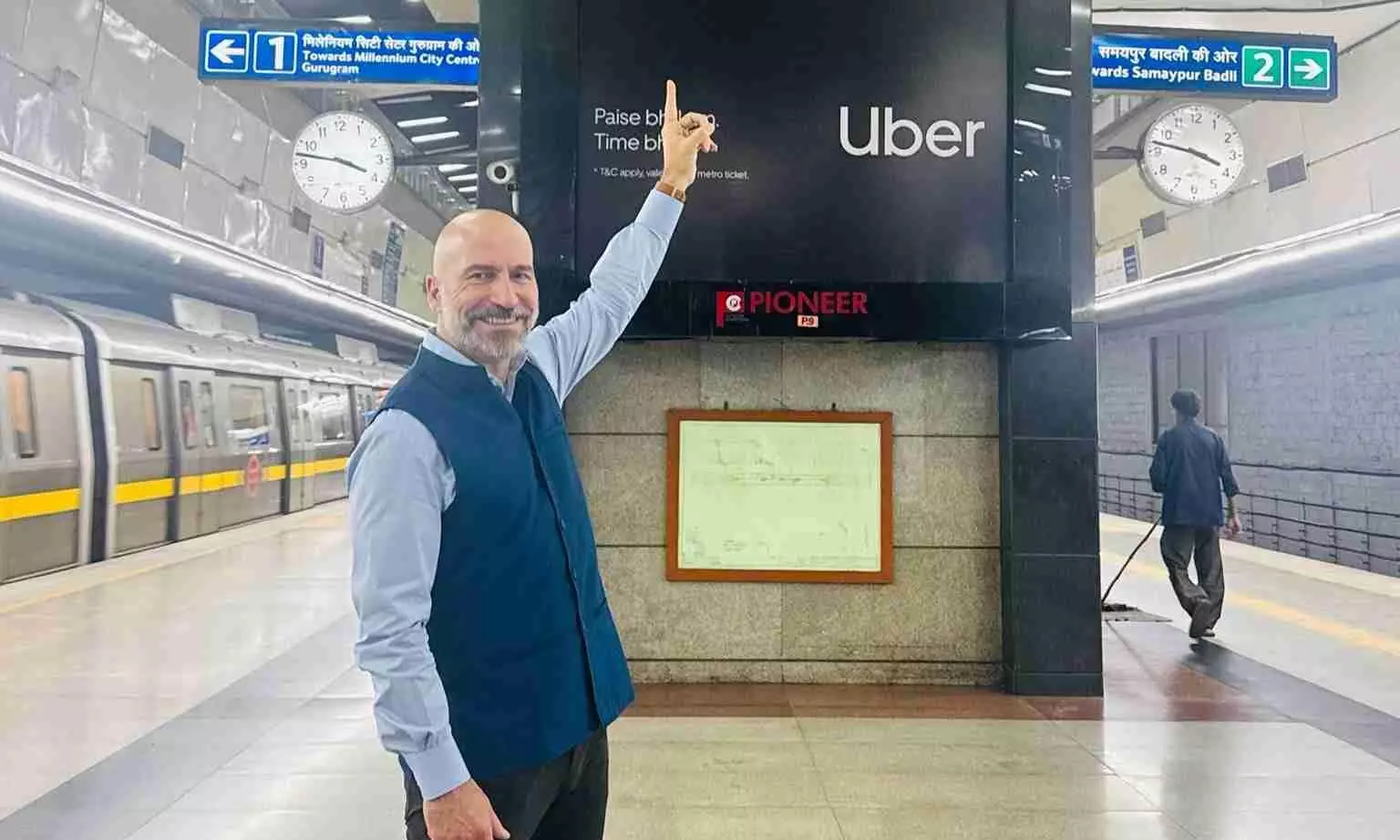
Uber CEO warns against ‘coasting’, says demanding work culture key to success
Uber CEO Dara Khosrowshahi says weekend responsiveness and hard work are non-negotiable, arguing the culture helped drive the firm’s turnaround

Uber CEO Dara Khosrowshahi has described the ride-hailing giant’s workplace culture as “really demanding”, saying employees are expected to remain responsive even during weekends and should not join the company if they are looking for an easy work-life balance.
In a recent interview to Fortune, Khosrowshahi said Uber places strong emphasis on hard work, accountability and performance. According to him, employees are expected to deliver results and those who consistently fail to meet expectations are given feedback and opportunities to improve. However, he made it clear that continued underperformance could eventually lead to an employee leaving the organisation.
Also read: Uber cuts 3,300 jobs, stricter return-to-office policy as it focuses on autonomous future
“Don’t come here if you want to coast,” Khosrowshahi said, underscoring the company’s performance-driven culture. He added that employees are informed when their work falls short and are expected to address shortcomings promptly.
CEO cites Uber’s turnaround
The Uber chief also pointed to his own work habits as an example of the standards he expects from staff. He said he frequently sends emails to team members on Saturdays and follows up if he does not receive a response. The expectation of responsiveness, he suggested, is part of a broader culture focused on execution and results.
Khosrowshahi linked this approach to Uber’s turnaround since he took over as CEO in 2017. At the time, the company was losing between USD 2.5 billion and USD 3 billion annually. Since then, Uber has reworked its strategy and organisational culture in an effort to strengthen its financial position.
According to Khosrowshahi, those efforts have yielded significant results. He said Uber generated USD 9.8 billion in free cash flow last year, a figure he cited as evidence that the company’s demanding work environment has contributed to its success.
Flexibility and trade-offs
While acknowledging that working at Uber is challenging, Khosrowshahi argued that employees gain valuable experience, enjoy significant responsibility and have opportunities to make a meaningful impact.
Also read: Uber expands to 100 more Indian cities; total footprint reaches 225
He maintained that hard work remains one of the most important ingredients of professional success, although he stressed that it can coexist with flexibility. The CEO said he sets aside two hours each evening for family dinners when he is in town, but returns to work afterwards, checking emails at 9.30 pm and again at 5.30 the next morning.
While flexibility is possible, he said, achieving professional success ultimately involves making trade-offs between competing priorities. “You can work hard, and at the same time you can have flexibility. Of course, there are trade-offs. Life is about trade-offs,” he said.