Mumbai redevelopment boom drives rental yield rally for homeowners: Kotak report
For the broader real estate sector, elevated rental demand is elevating residential property from a pure capital appreciation play into a robust, income-generating asset class.

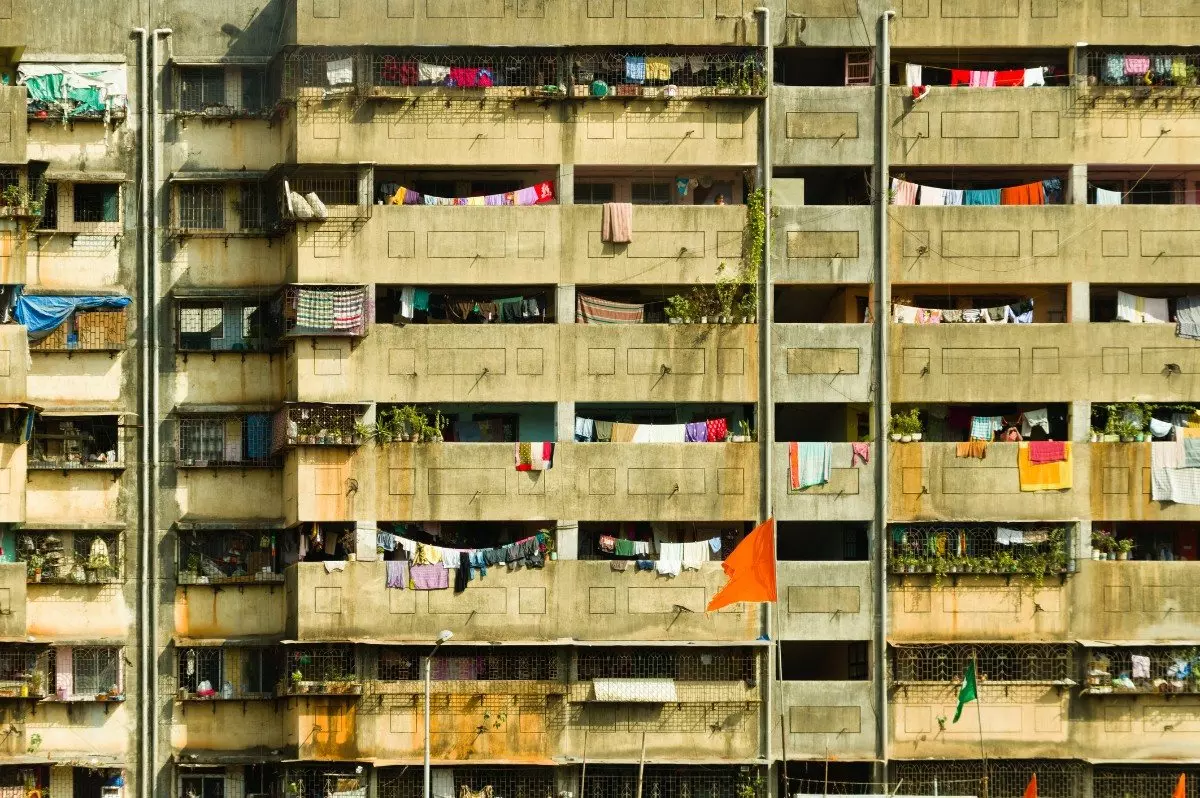
The ongoing redevelopment wave across Mumbai is doing far more than swapping ageing structures for modern high-rises. It is actively reshaping the financial fundamentals of the city’s residential real estate market.
According to recent insights from Kotak Mahindra Bank, redevelopment activity in Mumbai has accelerated at an impressive Compound Annual Growth Rate of nearly 66 per cent over the past five years.
As hundreds of housing societies enter reconstruction, thousands of displaced families are simultaneously entering the local lease market. Because residents strongly prefer remaining near their existing neighbourhoods, schools, workplaces, and social networks, this concentrated demand is putting immense upward pressure on rental rates, particularly in established residential pockets where available housing stock is already constrained.
Also read: Centre reviews customs duty relief for 118 products, eases GST on post-sale discounts
What sets this trend apart from typical market cycles is the financial backing behind it. Unlike traditional migration-driven demand, where tenants are mobile and short-term, redevelopment-affected families receive developer-funded transit rent allowances throughout the construction period.
'Redevelopment influencing both rental, ownership markets'
Because project lifecycles routinely span several years, these residents remain stable, active participants in the rental market for extended durations. This multi-year housing demand was further amplified post-pandemic as family preferences shifted toward larger spaces, better build quality, and modern amenities. When moving out of older buildings, many residents opt to rent newer, premium apartments in the same vicinity, accelerating localised rent appreciation well beyond normal inflation levels.
This dynamic is significantly improving property economics for both everyday homeowners and real estate investors. Commenting on this shift, Nakul Saxena, Head of Home Loans at Kotak Mahindra Bank, noted, "As Mumbai replaces ageing buildings with newer ones, redevelopment is influencing both rental and ownership markets. Beyond improving housing quality, it is also improving the economics of residential real estate. Rising rents and better rental yields are making housing attractive not only for end-users but also for investors looking at stable, long-term returns."
Also read: Business growth lifts services sector activity to four-month high in October
For the broader real estate sector, elevated rental demand is elevating residential property from a pure capital appreciation play into a robust, income-generating asset class. Indian residential rental yields have historically hovered at modest levels, but localized rental spikes are now lifting returns across active redevelopment belts.
Furthermore, because transit rents are underwritten directly into project costs by developers, landlords face minimal default or vacancy risk over extended lease periods.
As municipal authorities continue to streamline urban renewal policies and developers double down on society redevelopments, sustained rental demand will continue to establish a stronger floor for both lease rates and overall property valuations across Mumbai.