India sets zero sugar diversion for ethanol in 2026-27, floats 1,100 crore-litre tender
The tender permits procurement from C-heavy molasses, maize, damaged food grains, surplus rice sourced from the Food Corporation of India (FCI), and other eligible feedstocks under the National Policy on Biofuels.

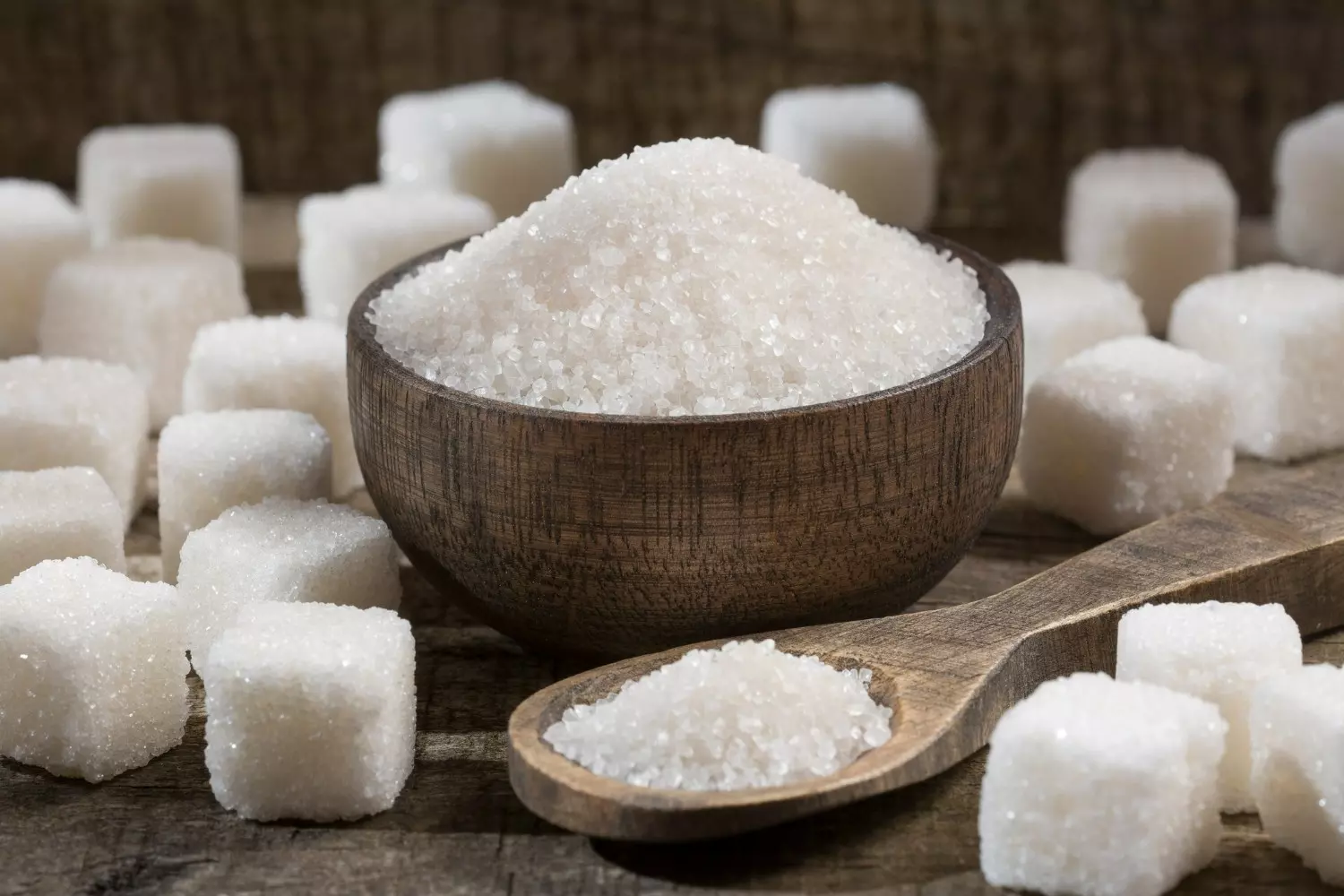
India has set sugar diversion for ethanol production at zero for the 2026–27 supply year, barring oil marketing companies (OMCs) from procuring ethanol made from sugarcane juice, sugar, sugar syrup and B-heavy molasses under a new tender for around 1,100 crore litres of ethanol.
The quantity-bid tender, dated October 16, covers supplies from November 1, 2026, to October 31, 2027, and comes amid concerns over domestic sugar availability and prices.
Five state-run oil companies—Indian Oil Corporation, Bharat Petroleum Corporation, Hindustan Petroleum Corporation, Mangalore Refinery and Petrochemicals, and Numaligarh Refinery—are participating in the procurement exercise.
The tender permits procurement from C-heavy molasses, maize, damaged food grains, surplus rice sourced from the Food Corporation of India (FCI), and other eligible feedstocks under the National Policy on Biofuels.
Feedstock-based procurement rates
The tender specifies different basic procurement rates depending on the feedstock used.
Ethanol produced from maize carries a basic rate of Rs 66.07 per litre, with an additional incentive of Rs 2.79 per litre, excluding Goods and Services Tax (GST). The basic rate for ethanol made from damaged food grains is Rs 64 per litre, while ethanol produced from surplus FCI rice is priced at Rs 60.32 per litre.
Also Read: Ethanol can boost farmers’ income, cut fuel imports: Nitin Gadkari
Ethanol made from C-heavy molasses carries a basic procurement rate of Rs 57.97 per litre.
Transportation charges and applicable GST will be payable over and above the basic rates. Ethanol produced from other eligible feedstocks under the National Policy on Biofuels will be procured at the lowest prevailing rate specified under the tender.
Supply divided into four quarters
The procurement period is divided into four quarters: November 2026 to January 2027, February to April 2027, May to July 2027, and August to October 2027.
Offers for ethanol produced from surplus FCI rice will not be accepted for the fourth quarter.
Also Read: E20 debate: Is govt pushing ethanol at the cost of food security?
The tender requires suppliers to offer ethanol produced from eligible domestic feedstocks at their own registered or approved distilleries. Trading in ethanol or sourcing it from third parties for onward supply to the OMCs is prohibited.
Allocations subject to court proceedings
Ethanol allocations for the first quarter of the 2026–27 supply year will remain subject to the outcome of pending legal proceedings concerning the OMCs' ethanol allocation methodology.
Also Read: Ethanol push blamed for rising egg prices; experts urge caution on E20 hike
The companies have reserved the right to revise, reduce, withdraw or cancel allocations in accordance with court orders, without liability for compensation to suppliers.
The tender shifts ethanol procurement away from the specified sugar-based feedstocks while retaining supplies from grains, C-heavy molasses and other eligible sources. The move comes as the government seeks to safeguard domestic sugar availability while maintaining ethanol procurement for fuel blending.