



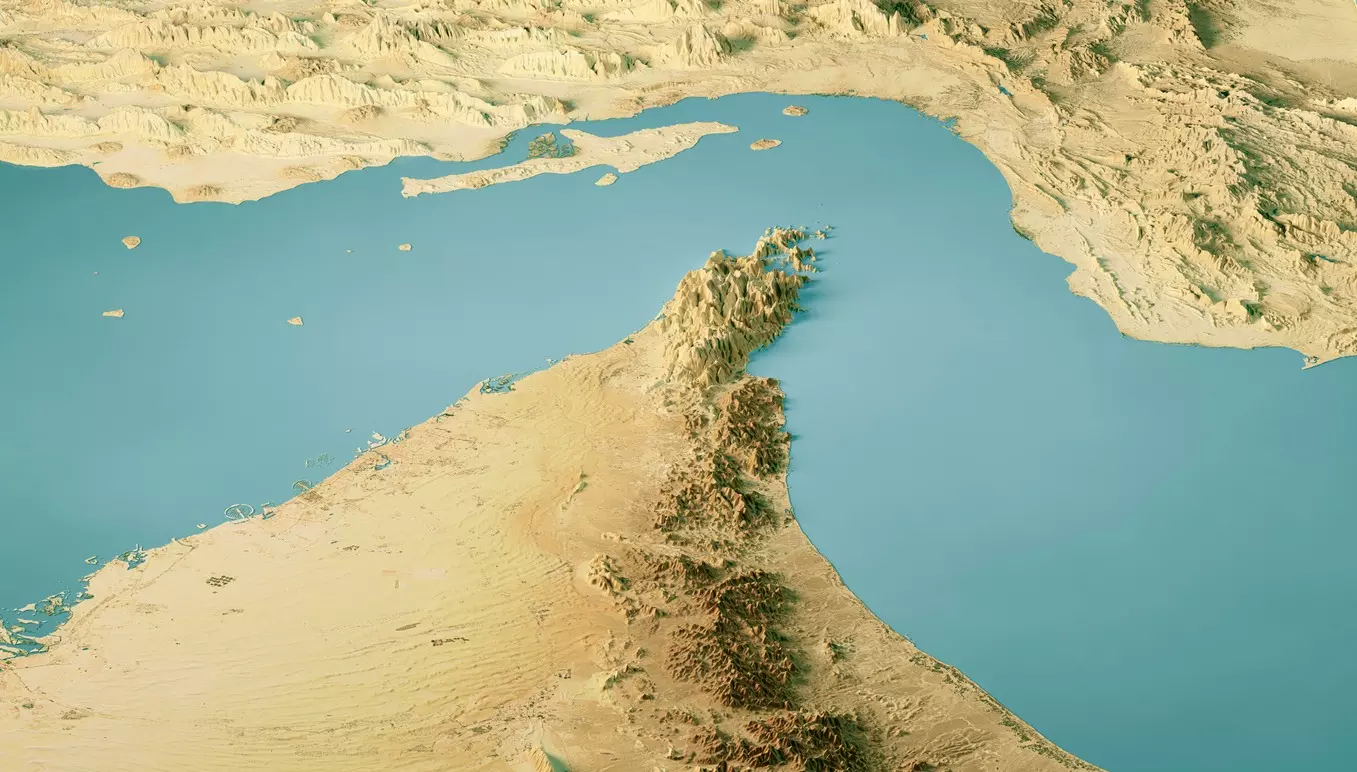
The Sarv Shakti transits the Strait of Hormuz carrying 45,000 tonnes of LPG for India, marking the first such crossing since a US blockade brought traffic to near zero. | Photo: iStock
India-linked LPG tanker Sarv Shakti crosses Strait of Hormuz amid shipping disruptions
Marshall Islands-flagged vessel carrying 45,000 tonnes of LPG transits key waterway for first time since tensions disrupted traffic; IOC listed as cargo buyer amid supply concerns

An India-linked tanker carrying liquefied petroleum gas (LPG) has successfully transited the Strait of Hormuz, a rare passage that highlights the country’s ongoing struggle to ease an unprecedented energy crisis.
The Marshall Islands-flagged Sarv Shakti, carrying around 45,000 tonnes of LPG was tracked moving into the Gulf of Oman after passing Iran’s Larak and Qeshm islands on Saturday, according to ship-tracking data.
Also Read: Trump reacts to Iran peace proposal, signals scepticism over deal acceptance
The very large gas carrier has previously operated between the Persian Gulf and Indian ports and is broadcasting India as its destination along with details of its Indian crew, a safety practice widely adopted by ships since tensions escalated in the region.
State-run Indian Oil Corp. was listed as the buyer of the cargo, according to a shipping document reviewed by Bloomberg. IOC did not immediately respond to an email seeking comment.
Sarv Shakti’s voyage marks the first observed transit by an India-linked tanker since a US blockade targeting Iran-affiliated ships began weeks ago, reducing traffic through the Strait of Hormuz to near zero. It is among the largest vessels to complete an outbound crossing since a chaotic weekend last month, when the strait briefly reopened before being shut again, according to a Bloomberg report.
As the world’s third-largest oil importer and second-largest consumer of LPG, India has been rushing to address supply shortages caused by disruptions in Middle Eastern shipments. The shortage of cooking gas has led to panic buying, long queues and reduced consumption in some areas.
New Delhi has prioritised the safe movement of LPG carriers since US and Israeli strikes on Iran began in late February, directing domestic ports to give preference to such tankers for berthing and unloading, while also increasing domestic production.
Also Read: US warns shipping firms over paying tolls in Strait of Hormuz; Iran says war 'likely' to restart
However, progress was disrupted in April when Iran initially announced the waterway had reopened, only for its military to fire on vessels attempting passage, forcing several to turn back. One India-linked Aframax crude tanker, Desh Garima, managed to pass through by switching off its transponder signals.
Since then, traffic through the Strait of Hormuz has again dropped to near standstill levels.
India has managed to move eight LPG vessels through Hormuz during the ongoing conflict following bilateral negotiations with Tehran, while also exploring alternative routes to secure supplies.