



East India Company shuts down again
Once the world's most powerful trading empire, the revived East India Company has gone bankrupt, closing 15 years after an Indian entrepreneur relaunched it

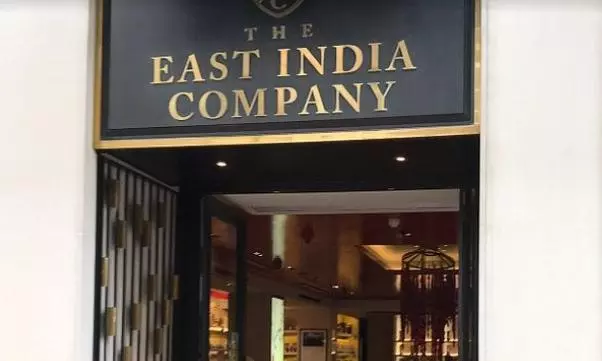
The East India Company, once the most powerful commercial enterprise the world had ever seen, has closed its doors again. The revived version of the historic British trading firm, which an Indian entrepreneur had relaunched as a luxury retail brand in London, has gone bankrupt, bringing a symbolic end to the notorious brand.
A second death in London
The company ceased operations in London and declared bankruptcy after a revival effort began in 2010. Mumbai-born British businessman Sanjiv Mehta opened a 2,000 sq ft flagship store in Mayfair selling high-end teas, chocolates, spices, and luxury hampers. He had invested over 12 million Euro into the company ahead of its relaunch, after acquiring the brand license of the company that ended over 150 years ago.
Also Read: How a balance mismatch exposed a Rs 590 crore suspected fraud at IDFC First Bank
Mehta launched the company in 2010, presenting it as a revival of the historic East India Company, which was dissolved on June 1, 1874. He had acquired the rights to the name in the early 2000s from shareholders who had been attempting to restart it as a wholesale operation.
Colonial empire turned tea shop
At its peak, the original East India Company was the largest corporation in the world by various measures, with its own armies totalling about 260,000 soldiers, twice the size of the British Army at certain times.
Founded on December 31, 1600, it rose to control large parts of the Indian subcontinent, collected taxes, ran courts, and came to account for roughly half the world's trade in certain goods. Its rule was marked by violent conquest, forced cash-crop cultivation, and man-made famine.
The British government took over the control of India from the company after the Sepoy Mutiny in 1857, which ultimately led to the crumbling of the enterprise back then.
Redemption narrative that didn't last
When Mehta took over, the story was celebrated internationally as a post-colonial reversal: a company that once owned India was now owned by an Indian. He sought to consciously reframe its identity. Speaking to The Guardian in 2017, he described the new company as being built on compassion, in deliberate contrast to the aggression of its predecessor.
Also Read: 'America's Anthropic has hit our brand,' says Karnataka's own Anthropic
He positioned the brand as a global luxury food and lifestyle label, with ambitions to expand into stores in Britain and the United States, and products ranging from India Pale Ale and gin to furniture and jewellery.