



Cabinet approves Rs 1.27L cr for Semiconductor Mission 2.0: 'We'll be self-reliant'
Semicon 2.0 expands incentives across the entire value chain and aims to draw Rs 4 lakh crore in investments and counter global memory shortages

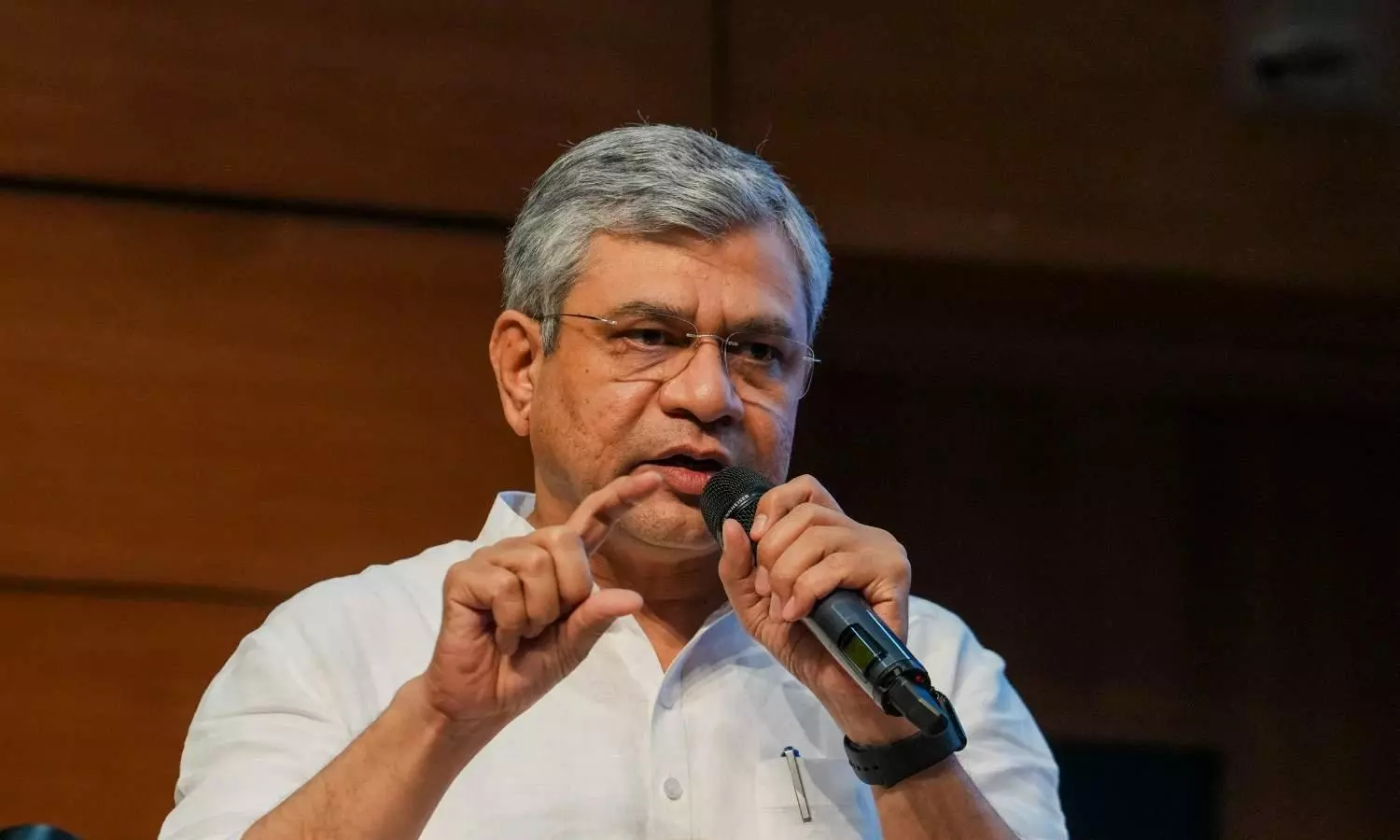
New Delhi, Jul 15 (PTI) The Union Cabinet on Wednesday cleared Rs 1.27 lakh crore for the second edition of India Semiconductor Mission, IT Minister Ashwini Vaishnaw said.
The government expects the new scheme to attract investments of around Rs 4 lakh crore and lead to semiconductor production worth Rs 2 lakh crore during the scheme period.
The Union Cabinet, chaired by Prime Minister Narendra Modi, has approved the Semicon 2.0 for the development of India's semiconductor design and manufacturing ecosystem, an official statement said.
The new edition of the semiconductor programme has provisions to incentivise even suppliers of raw material in the chip manufacturing industry, including minerals and gases.
"Cabinet has approved ISM 2.0 with a total outlay of Rs 1.27 lakh crore," the minister said.
Vaishnaw said the new scheme covers the entire value chain of the semiconductor ecosystem.
"Semicon 2.0 will have six pillars. The first pillar will be the design of chips," he added.
The minister said that the programme will focus on design, development and production of indigenous chips.
"We will be self-reliant in the production of indigenous chips by the end of this programme," the minister said.
The government had allocated Rs 76,000 crore for the first edition of India Semicon Mission.
Under ISM 1.0, the government has approved 12 projects with cumulative investments of around Rs 1.64 lakh crore.
The majority of the investment in the sector has come from domestic technology firm Tata Electronics and its semiconductor arm.
The new scheme has come at an appropriate time when the world is reeling under a memory chip shortage, and companies are working on plans to enhance production capacity.
The scheme expects to attract investment from other chip segments to meet chip requirements for artificial intelligence devices. PTI
(Except for the headline, this story has not been edited by The Federal staff and is auto-published from a syndicated feed.)